


Vintage refined means one thing in practice: clothing that earns its price through fabric, construction, and fit rather than a logo stitched on the chest. If you want to start shopping now, the Complesso Collection at Moreciandco is the most direct path to pieces built on that standard. Research shows people form competence judgments in as little as 130 milliseconds — before you say a word — which is exactly why what you wear and how it’s made matters more than most men admit.
Table of Contents
- What actually defines vintage-refined menswear?
- How do you verify vintage-refined quality when buying online?
- What should you buy first to build a vintage-refined wardrobe?
- How do you get the right fit for a professional or athletic build?
- How do you care for investment pieces?
- What should you expect to pay, and why does construction beat branding?
- Why does understated quality work better than logos?
- Key Takeaways
- The case for building a wardrobe that earns its keep
- Shop Moreciandco for vintage-refined pieces built to spec
- Sources and further reading
What actually defines vintage-refined menswear?
Four pillars separate a genuine vintage refined garment from something that merely looks the part in a product photo.
Fabric quality is the foundation. Natural fibers — Supima cotton, extra-long staple (ELS) Egyptian cotton, ultrafine merino — drape differently and age better than synthetic blends. They breathe, resist odor, and hold their shape across years of wear.

Construction is where most brands cut corners. Premium basics are distinguished by high stitch density, reinforced collar ribbing, and tubular knits with no side seams — details invisible in a flat lay photo but obvious the moment you put the garment on. Double-needle hems, set-in sleeves, and taped seams are the markers worth hunting for.
Silhouette means clean, proportional cuts that read the same way in five years as they do today. Vintage refined is not retro costume — it’s the quiet authority of a well-proportioned shoulder and a hem that sits exactly where it should.
Branding strategy is the tell. Quiet luxury codes favor tone-on-tone palettes, heavyweight fabric, premium trims, and no visible logos — the exact opposite of streetwear’s chest-print approach. Corozo buttons, woven labels inside the collar, and tonal stitching are the signatures of this aesthetic.
Refined style is a psychological posture. Rejecting visible branding signals confidence and social intelligence by letting craftsmanship speak for itself — the garment becomes the credential.
Pro Tip: When evaluating a piece online, look for the word “tubular” in the product description. A tubular-knit tee has no side seam, which means no seam to twist or distort after washing — a reliable shorthand for premium construction.
How do you verify vintage-refined quality when buying online?
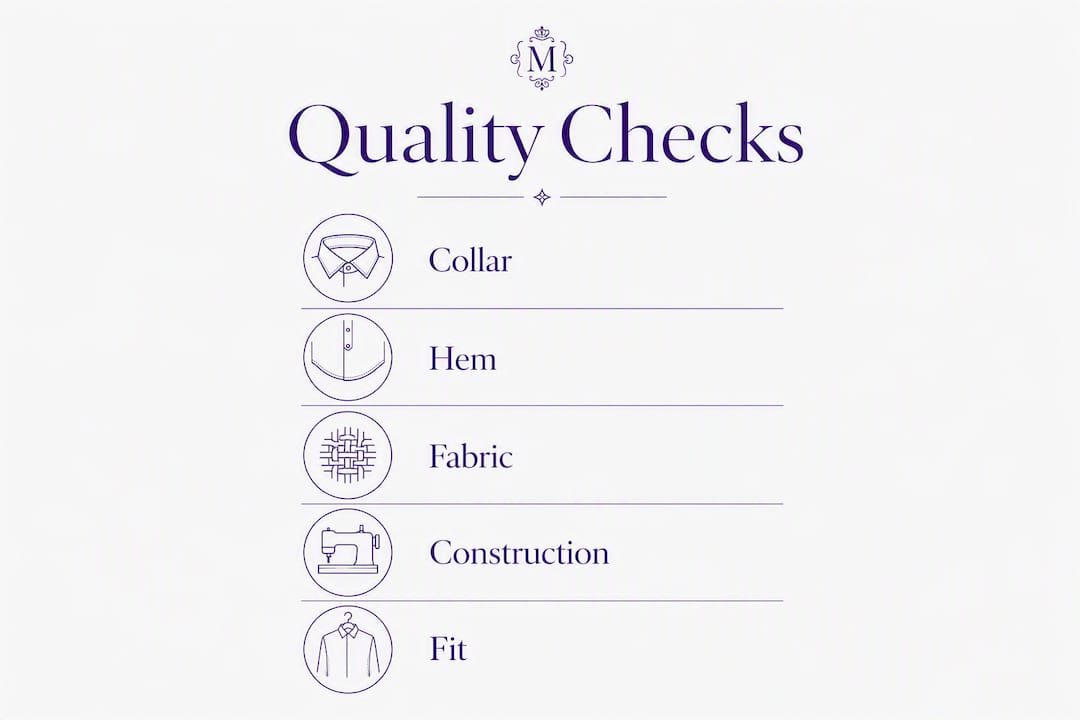
The fastest vetting method: confirm fiber content, fabric weight in GSM, stitch type, and check whether the product photos show seams, collar construction, and labels. If those details aren’t visible or listed, the brand is hiding something.
Here’s the exact checklist to run on any product page:
- Fiber content — look for 100% natural fiber or a purposeful blend (bamboo-cotton, merino-nylon). Polyester-heavy fabrics pill faster, retain odors, and lose shape sooner than quality natural or natural-blend alternatives.
- Fabric weight (GSM) — high-end tees typically fall in the 180–220+ GSM range; premium hoodies sit at 280–320+ GSM. Anything lighter is usually a cost cut.
- Stitch type — double-needle hem, flatlock seams, or reinforced collar ribbing. These phrases in a spec sheet are worth more than any lifestyle photo.
- Construction notes — set-in sleeves (not raglan), taped shoulder seams, and side-seam details. Quality dress shirt stitching follows the same logic: more stitches per inch means a stronger, cleaner seam.
- Return policy — a brand confident in its product offers straightforward returns. No returns, no trust.
| Spec to inspect | What to look for |
|---|---|
| Collar | Ribbed, reinforced, no visible stretch distortion |
| Hem | Double-needle or chain-stitched |
| Seams | Flatlock, taped, or reinforced side seams |
| Fabric weight | GSM listed; 180+ for tees, 280+ for knitwear |
| Hardware/trims | Corozo or metal buttons, woven interior labels |
Pro Tip: Zoom into every product photo at maximum resolution. If the brand’s photography avoids close-ups of the collar, hem, or label, email customer service and ask for them. A confident manufacturer sends fabric swatches.
What should you buy first to build a vintage-refined wardrobe?
Start with the highest-frequency pieces — the ones you reach for three times a week — and work outward from there.
- Premium tee — the daily workhorse. Look for 180–220 GSM, natural or bamboo-cotton blend, tubular knit. The Complesso Tee fits this spec: bamboo-cotton construction with product photography that lets you inspect the finish before buying.
- Heavyweight polo — bridges office and weekend without effort. Set-in sleeves and a structured collar are non-negotiable. The Complesso Polo carries the same construction logic as the tee, scaled up for a more formal context.
- Merino or cashmere crew — the layer that makes a tee look intentional. Pair with tailored chinos and a coach jacket for a complete outfit that reads polished without trying.
- Tailored chinos — mid-weight, clean break at the ankle, no cargo pockets. The trouser equivalent of a tubular-knit tee.
- Single-breasted coat — retail fashion directors at Saks and Bloomingdale’s confirm that one elevated outerwear piece creates a finished professional look without requiring a full suit.
- Tonal leather belt — full-grain, no visible branding, matches shoe tone.
- Cappellino Baseball Hat — the Cappellino works as a minimal, versatile accessory that completes a weekend outfit without breaking the no-logo rule.
Pro Tip: The merino crew + tailored chinos + coach jacket formula works from a Monday morning meeting to a Saturday dinner. Nail those three pieces and the rest of the wardrobe fills in naturally.
- Complesso Tee: daily foundation, bamboo-cotton blend, inspect the collar and hem photos before ordering.
- Complesso Polo: structured enough for client-facing work, relaxed enough for travel.
- Cappellino Baseball Hat: unbranded, minimal, multi-occasion — the accessory that doesn’t compete with the outfit.
How do you get the right fit for a professional or athletic build?
Fit determines whether a vintage refined piece reads as intentional or accidental. It’s the single variable that separates a $40 tee from a $140 one on the same body.
For online purchases, run this sizing check before confirming your order:
- Shoulder seam — should sit at the edge of the shoulder bone, not slide toward the arm.
- Sleeve length — ends at mid-bicep for a tee; at the wrist bone for a shirt or polo.
- Torso length — hem should hit at the hip bone, not ride up or drop past the seat.
- Chest ease — enough room to move without pulling across the back; roughly 2–3 inches of ease for a fitted look.
Athletic builds often need a size up in the chest and shoulders, then a taper at the waist. Athletic fit guidance matters here: a relaxed athletic cut gives the shoulder room without the boxy drop that kills proportion. Premium gym wear engineering standards — flatlock seams, four-way stretch panels — apply the same logic to performance contexts.
Common quick alterations worth the cost: taking in side seams on a tee or shirt ($15–25 at most tailors), shortening sleeves, and tapering a trouser leg. If the shoulders fit, a tailor can fix almost everything else.
Pro Tip: Order two sizes when you’re unsure. Try both, return the one that needs more alteration. The cost of return shipping is cheaper than a tailor fixing a shoulder seam.
How do you care for investment pieces?
Follow the label, but the general rule for natural fibers is simple: cold water, low heat, air dry.
Do:
- Wash tees and polos inside-out in cold water on a gentle cycle.
- Air-dry flat to preserve shape — heat is the fastest way to shrink a bamboo-cotton blend.
- Steam rather than iron knitwear; direct iron contact crushes the fiber structure.
- De-pill merino and cashmere seasonally with a fabric comb, not a razor.
- Re-proof leather goods annually with a conditioner suited to the leather type.
Don’t:
- Wash natural fibers after every single wear unless visibly soiled — over-washing degrades fiber faster than use.
- Use enzyme-based detergents on fine merino; they break down protein fibers.
- Store knitwear folded under heavy items — hang only structured outerwear.
Pro Tip: Pre-shrink a new bamboo-cotton tee with one cold wash before wearing it. Most of the shrinkage happens in the first cycle; after that, the garment holds its shape reliably.
On receipt, photograph any defects immediately and note them in writing to the retailer. Most brands with a genuine return policy will honor a defect claim within the stated window — but only if you document it on arrival.
What should you expect to pay, and why does construction beat branding?
Expect to pay more for verified materials and construction. The math usually works in your favor.
| Item | Price range | Expected years of use | Cost per wear (est.) |
|---|---|---|---|
| Premium tee (180+ GSM, natural fiber) | — | 3–5 years | — |
| Logo-driven fast-fashion tee | $25–$40 | 1–2 years | — |
| Heavyweight polo (set-in sleeves) | $100 | 4–6 years | — |
| Merino crew | — | 5 years | — |
The cost-per-wear advantage compounds with care. A well-maintained bamboo-cotton tee worn twice a week for four years costs less per use than a cheaper shirt replaced every season.
Spend up on: outerwear, knitwear, and leather goods — these items absorb the most wear-and-weather stress and reward quality construction most visibly.
Save selectively on: mid-market tees and chinos when the construction specs match (GSM, fiber content, stitch type confirmed). Price alone is not the signal — specs are.
- Unbranded, well-made garments typically outlast trend-forward logo pieces because their value isn’t tied to a brand cycle.
- Roughly two-thirds of consumers check fiber content labels before purchase, and a large majority are willing to pay more for features that enhance temperature control — data that confirms the market has already moved toward construction over branding.
Pro Tip: If a brand won’t list GSM or fiber percentage in the product spec, treat the omission as a red flag. Brands confident in their materials publish the numbers.
Why does understated quality work better than logos?
Competence judgments form in as little as 130 milliseconds — faster than a handshake, faster than a name. What you’re wearing is already being read before you open your mouth.
Understated, high-quality clothing signals competence and social intelligence more reliably than visible branding. The garment becomes the credential — and it speaks before you do.
Refined style functions as a psychological posture: it’s less about wearing a suit and more about signaling intentionality through every choice. A well-made polo in a tone-on-tone palette communicates more authority in a business context than a logo-heavy piece at twice the price.
The practical implication: pick one high-frequency item — a tee or polo you wear multiple times a week — and make sure it’s built to the standard. That single piece sets the baseline for how you read in every room.
Pro Tip: Wear your best-constructed piece to a meeting where you want to be taken seriously. You’ll notice the difference in how people engage before you say anything — that’s the 130-millisecond effect in practice.
Key Takeaways
Vintage refined menswear signals quality through fabric, construction, and fit — not logos — and the Complesso Collection at Moreciandco is the most direct place to buy pieces built to that standard.
| Point | Details |
|---|---|
| Verify specs before buying | Check fiber content, GSM (180+ for tees, 280+ for knitwear), and stitch type on every product page. |
| Fit is the deciding variable | Shoulder seam placement and torso length determine whether a piece reads refined or off-the-rack. |
| Start with high-frequency pieces | Buy a premium tee and polo first; they set the tone for every outfit you build around them. |
| Construction beats branding on cost-per-wear | A — premium tee worn for 3–5 years costs less per use than a cheaper logo alternative replaced annually. |
| Moreciandco Complesso Collection | The Complesso Tee, Complesso Polo, and Cappellino Baseball Hat are built to vintage refined specs with transparent construction details. |
The case for building a wardrobe that earns its keep
Most men buying “premium” menswear are paying for a logo and getting mass-market construction underneath it. The vintage refined approach inverts that entirely — and what strikes me most about where menswear is heading is how few brands actually commit to it.
The brands that do tend to share one trait: they publish the specs. GSM, fiber content, stitch type, origin of manufacture. They’re not hiding behind lifestyle photography because they don’t need to. Moreciandco operates on that same logic. The Complesso Collection exists because the market for men who want to get what they pay for — real fabric, real construction, no logo tax — is underserved, not because vintage-inspired aesthetics are trending.
The conventional wisdom says spend on outerwear and save on basics. I’d push back slightly: the basic is the piece you wear most, which means it’s the piece that shapes your baseline impression most consistently. A well-made tee or polo, worn three times a week, does more work for your appearance than an expensive coat worn twice a month. Start there.
Shop Moreciandco for vintage-refined pieces built to spec
You want verified construction, not a marketing promise. Moreciandco’s Complesso Collection is built for exactly the professional and athletic men this guide is written for — pieces with published specs, transparent construction details, and a fit designed for men who actually move.
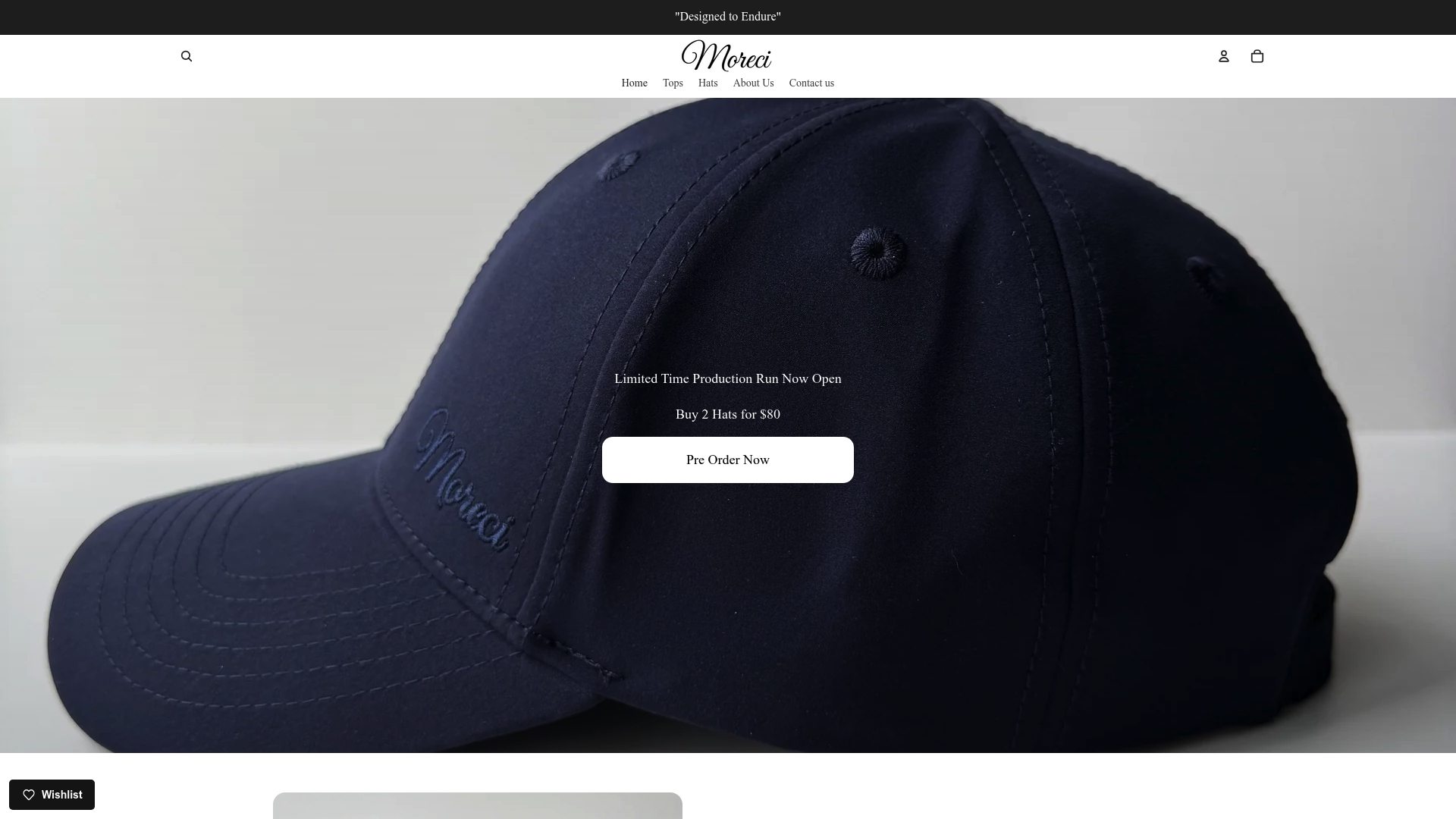
The Complesso Tee delivers bamboo-cotton construction with product photography detailed enough to inspect before you buy. The Complesso Polo carries the same construction standard into a more structured silhouette. The Cappellino Baseball Hat rounds out the wardrobe as a minimal, unbranded accessory that works across every context. Every piece ships with a return policy that reflects confidence in the product.
Visit the Moreci Store to browse the full collection, check the spec lines, and order with the confidence that you’re getting what you pay for.
Sources and further reading
The claims in this guide draw from the following sources. Check product spec lines and contact Moreciandco’s customer service directly for fabric swatches or additional measurements before purchasing.
- Study on rapid person perception (SAGE) — the 130-millisecond competence judgment finding that underpins the case for understated quality.
- Fabric GSM guide — category-specific GSM ranges for tees, hoodies, and knitwear; use this to benchmark any product listing.
- Stealth Wealth Style: The No-Logo Wardrobe Code Explained — a breakdown of quiet luxury codes including palette, trims, and fabric choices.
- Italian Luxury Basics: The Foundation of a Timeless Italian Wardrobe — construction hallmarks (tubular knits, stitch density, collar ribbing) that define premium basics.
- What Saks and Bloomingdale’s Think Professional Men Should Wear to Work Now (Forbes) — retail director perspective on elevated layering pieces for modern professional wear.
- Refined Style for Men (Medium) — frames refined style as a psychological posture and intentional archetype rather than a trend.
- Consumer Preferences in Men’s Apparel (INTO THE AM) — survey data on fiber-content checking behavior and willingness to pay for quality.
- Moreci Store and Complesso Collection — product pages with construction details, photography, and purchase options for the pieces recommended in this guide.
Before buying any piece online, pull up the product spec sheet, confirm GSM and fiber content, and reach out to the brand’s customer service if close-up photography of seams or labels isn’t available. A brand that answers that request confidently is one worth buying from.