


A dress shirt is defined by its structured architecture: a crisp collar built to support a tie, a long placket down the front, and a hem cut long enough to stay tucked. Understanding the types of dress shirts men wear comes down to four variables: collar style, fabric, fit, and occasion. Get those four right and every shirt you own earns its place in your closet. Brands like L.L.Bean and collections like the Complesso line at Moreciandco show that quality shirts exist at every price point. You just need to know what to look for.
1. What are the main types of dress shirts men wear?
Men’s dress shirts fall into four defining categories: formal shirts for men, business casual shirts, smart casual shirts, and casual button-up shirts. Each category is shaped by collar style, fabric weight, cuff type, and how the shirt is worn. A spread collar French-cuff shirt in white poplin sits at one end of the spectrum. A soft oxford cloth button-down worn untucked sits at the other. Knowing where each shirt lives on that spectrum stops you from showing up overdressed or underdressed.
2. Collar styles: the most visible signal of formality
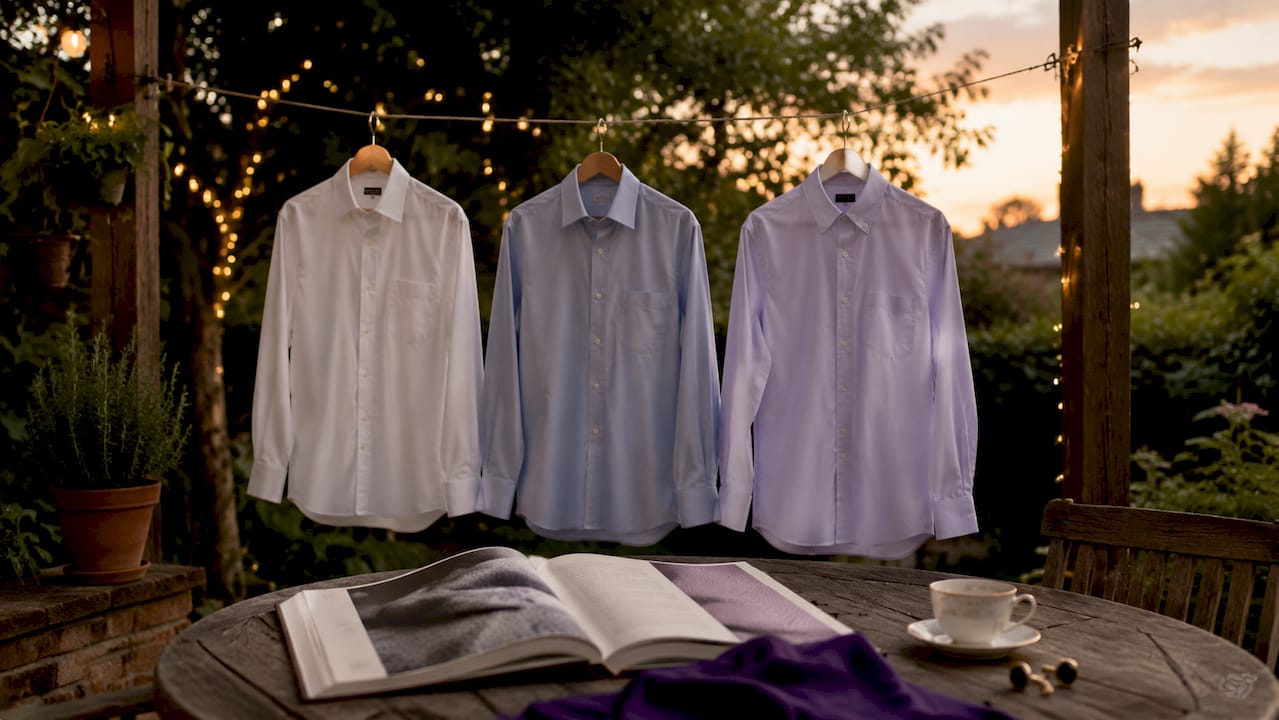
Collar choice directly controls formality. Spread collars suit contemporary looks and wide tie knots like the Windsor. Point collars offer timeless versatility and work with most tie knots. Cutaway collars are the most open spread available and pair best with large, confident knots. Button-down collars belong to casual and smart-casual wear. Club collars have a rounded tip and carry a vintage, English-prep aesthetic. Tab collars use a small tab to pull the collar points together, lifting the tie knot for a sharp, elevated look.
Collar choice also interacts with face shape. Spread and cutaway collars visually widen a narrow face. Point collars lengthen a rounder face. These are not rigid rules, but they are useful starting points.
Pro Tip: Collar stays keep collar points flat and symmetrical throughout the day. Metal stays outlast plastic ones and are worth the small investment.
A critical mistake men make is ignoring collar spread versus tie knot size. A thick Windsor knot crammed into a narrow point collar looks forced. A small four-in-hand knot lost inside a wide cutaway collar looks sloppy. Match the width of your collar to the size of your knot.
3. Dress shirt fabrics and how they affect wear
Fabric is the single biggest factor in how a shirt feels, looks, and lasts. The six fabrics you will encounter most often are poplin, oxford cloth, twill, pinpoint oxford, Egyptian cotton, and performance blends.
| Fabric | Feel | Wrinkle Resistance | Best For |
|---|---|---|---|
| Poplin | Lightweight, crisp | Low | Formal office wear |
| Oxford cloth | Textured, durable | Moderate | Business casual |
| Twill | Smooth, diagonal weave | Moderate to high | Business, smart casual |
| Pinpoint oxford | Fine, soft | High | Business, travel |
| Egyptian cotton | Luxurious, smooth | Moderate | Formal, special occasions |
| Performance blend | Stretchy, breathable | High | Travel, active daily wear |
Oxford cloth is textured and durable, making it the go-to for business casual shirts. Poplin is lightweight and crisp, which is why it dominates formal office wear. Pinpoint oxford sits between the two: finer than standard oxford, softer than poplin, and naturally resistant to wrinkles.
Performance blends with stretch and moisture control are ideal for travel and long workdays. They look like dress shirts but move like athletic wear. That combination makes them one of the most practical additions to a modern wardrobe.
Pro Tip: Thread count and weave determine wrinkle resistance more than any “wrinkle-free” marketing claim. Two-ply fabrics and tighter weaves like 80s pinpoint oxford hold their shape far longer than chemically treated single-ply shirts.
Knowing how to care for each fabric matters too. A well-ironed poplin shirt signals effort. A wrinkled one signals the opposite. If you travel frequently, ironing dress shirts correctly is a skill worth building.
4. Fit profiles: slim, tailored, and regular
The three primary fits for men’s dress shirts are slim, tailored, and regular. Each serves a different body type and use case.
Slim fit is cut close to the body with minimal excess fabric through the chest, waist, and sleeves. It looks sharp on lean builds but restricts movement and can pull across the chest on broader frames.
Tailored fit (also called modern fit) sits between slim and regular. It follows the body’s shape without clinging. This is the most versatile cut and works across most body types and occasions.
Regular fit (also called traditional fit) offers the most room through the chest, waist, and arms. It suits broader builds and men who prioritize comfort over a close silhouette.
Pros and cons at a glance:
- Slim fit: Clean, modern look. Can restrict movement. Not ideal for athletic builds.
- Tailored fit: Flatters most body types. Works for both office and evening wear.
- Regular fit: Maximum comfort. Can look boxy on leaner frames without a belt or jacket.
Sleeve length and neck size are equally important. A shirt with the right chest fit but a collar that gaps or sleeves that bunch at the wrist will never look right. Always measure both before buying off the rack. For a deeper look at how fit translates to a full outfit, the suit fit guide at Moreciandco covers the full picture.
5. Dress shirt styles matched to occasions and dress codes
The right shirt for an occasion depends on collar style, fabric, cuff type, and whether the shirt is tucked or untucked. Cuff style also signals formality: French cuffs require cufflinks and belong at formal events. Barrel cuffs are practical for daily wear. Convertible cuffs work both ways.
Formal occasions (black tie, weddings, galas):
- White or pale blue poplin or Egyptian cotton
- Spread or point collar
- French cuffs with cufflinks
- Always tucked
Business professional (office, client meetings):
- Solid or subtle pattern in poplin, twill, or pinpoint oxford
- Spread or point collar with a tie
- Barrel or French cuffs
- Always tucked
Business casual (open-plan office, creative industries):
- Oxford cloth or twill in solid colors or small patterns
- Button-down or spread collar, no tie required
- Barrel cuffs
- Tucked or half-tucked
Smart casual (dinner, dates, weekend events):
- Oxford cloth, twill, or performance blend
- Button-down or spread collar
- Worn untucked if the hem is cut straight
- Slim or tailored fit preferred
For a full breakdown of what works in a business casual wardrobe, Moreciandco covers the specific shirt and trouser combinations that hold up across industries.
Do’s and don’ts by dress code:
- Do match collar spread to tie knot size at formal events.
- Do choose performance blends for travel days.
- Don’t wear a button-down collar to a black-tie event.
- Don’t wear French cuffs without cufflinks.
- Don’t untuck a shirt with a curved hem and call it smart casual.
Key takeaways
The best dress shirt for any occasion is determined by matching collar style, fabric, and fit to the specific dress code.
| Point | Details |
|---|---|
| Collar drives formality | Spread and point collars suit formal wear; button-down collars belong to casual settings. |
| Fabric determines feel and longevity | Pinpoint oxford and two-ply fabrics outlast chemically treated “wrinkle-free” shirts. |
| Fit shapes the silhouette | Tailored fit flatters most body types across the widest range of occasions. |
| Cuff type signals dress code | French cuffs are for formal events; barrel cuffs handle everything else. |
| Occasion alignment prevents mistakes | Matching shirt features to dress code removes guesswork and builds a consistent wardrobe. |
What I’ve learned after years of dressing men well
Most men buy dress shirts by color first and everything else second. That is the wrong order. Collar style and fit determine whether a shirt looks intentional or accidental. Color is the last decision, not the first.
The most underrated fabric in men’s dress shirts is pinpoint oxford. It is softer than standard oxford, more durable than poplin, and resists wrinkles without chemical treatment. Men who travel for work should own at least two pinpoint oxford shirts in white and light blue. They hold up through a full day, pack well, and look sharp under a blazer or on their own.
The biggest mistake I see is men wearing slim-fit shirts on athletic builds. The shirt pulls across the shoulders and gaps between the buttons. A tailored fit on a broader chest looks far cleaner. Slim fit is for lean frames, not for men who train.
One more thing: do not skip collar stays. A collar that curls up or flips out undoes everything else you have done right. Metal stays cost almost nothing and solve the problem permanently.
— Giuseppe
Discover quality dress shirts at Moreciandco
Moreciandco was built on one idea: you should get what you pay for. That means shirts cut from real fabrics, with collars that hold their shape and fits that actually work on real bodies.
The Complesso Collection brings together luxury pieces designed for men who want to dress well without decoding a fashion magazine. From tailored formal shirts to versatile business casual options, every piece reflects the quality-first approach that defines Moreciandco. If you are ready to build a wardrobe that works, start here.
FAQ
What is a dress shirt, exactly?
A dress shirt is defined by its structured collar, long placket, and hem cut long enough to tuck in. The architecture is designed to support a tie and maintain a clean silhouette under a jacket.
Which collar style is most versatile for men?
The point collar is the most versatile collar for men. It works with most tie knots, suits most face shapes, and moves from formal to business casual without looking out of place.
What fabric is best for a men’s dress shirt?
Pinpoint oxford is the best all-around fabric for most men. It resists wrinkles naturally, feels softer than standard oxford cloth, and holds up through repeated washing better than chemically treated alternatives.
What is the difference between slim fit and tailored fit?
Slim fit is cut close to the body with minimal room through the chest and waist. Tailored fit follows the body’s shape with slightly more room, making it more comfortable and flattering across a wider range of body types.
Can a dress shirt be worn untucked?
A dress shirt can be worn untucked only if the hem is cut straight across the bottom. Shirts with a curved or longer back hem are designed to be tucked and look unfinished when worn loose.