


A dress shirt placket is a reinforced, multi-layered opening that enables easy dressing and provides stable support for buttons under stress. Without it, every button pull would strain bare fabric, leading to torn holes and a collapsed shirt front within months. The placket is not decorative trim. It is the structural backbone of any dress shirt, and understanding it changes how you shop, dress, and judge quality at a glance.
Why dress shirts have plackets: the core function
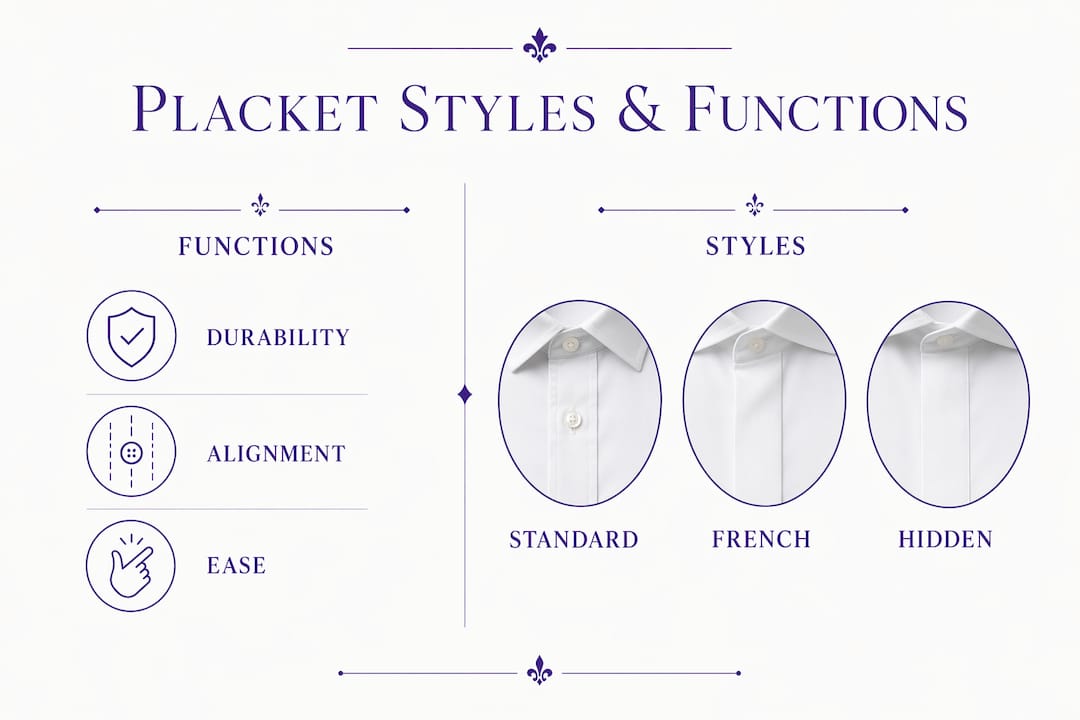
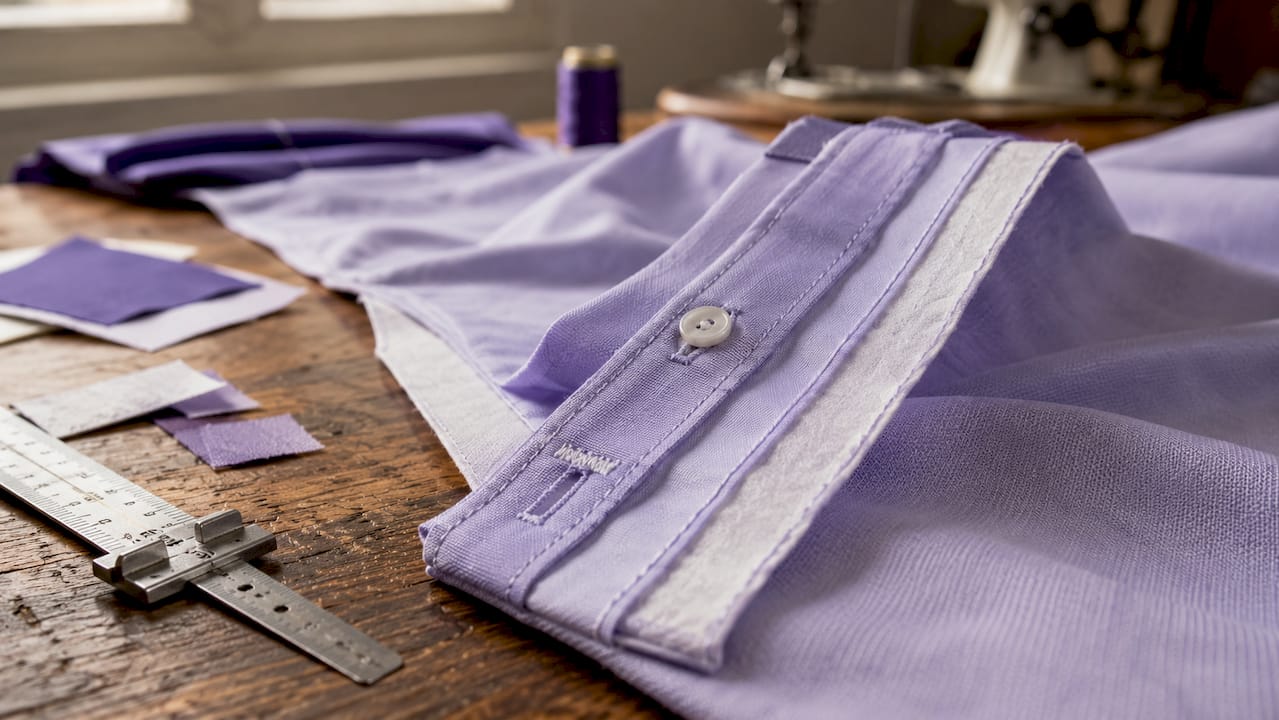
Dress shirts have plackets because a simple slit in fabric cannot withstand the repeated stress of buttoning and unbuttoning. A placket consists of at least two fabric layers, often reinforced with interfacing, to prevent tearing unlike simple slits. That layered construction distributes tension across a wider surface area every time you fasten a button. The result is a shirt that holds its shape through years of wear rather than weeks.
The placket also makes dressing faster and more reliable. A structured opening stays flat and aligned, so buttons slide into holes without fumbling. This matters more than it sounds when you are getting dressed for a meeting at 7 a.m. The placket purpose in shirts is equal parts mechanical and practical.
Beyond function, the placket maintains the shirt’s front profile. A flat, firm placket keeps the shirt looking pressed and intentional even hours into a workday. Without that structure, the front panel buckles, gaps, and loses the clean vertical line that makes a dress shirt look sharp.
What role does placket construction play in dress shirt quality?
Placket construction is where manufacturers either invest in quality or quietly cut corners. The difference shows up fast.
Interfacing: the hidden layer that matters most
Interfacing inside plackets must be weight-matched and structurally sound to prevent buttonhole distortion under daily wear. Interfacing is a stiff inner fabric fused or sewn between the outer layers. It gives the placket its firmness and prevents the fabric from rolling, collapsing, or warping after washing. When interfacing is too light or skipped entirely, the placket goes soft and wavy within a few wash cycles.
The buttonholes suffer most from poor interfacing. Without proper support, the holes stretch and widen over time, causing buttons to slip open at the worst moments. A well-interfaced placket keeps every buttonhole tight and consistent from the first wear to the hundredth.
Signs of quality vs. cost-cutting
Here is what separates a well-built placket from a mass-market shortcut:
- Crispness: A quality placket feels firm and flat when you press it between your fingers. Softness signals weak or absent interfacing.
- Straight stitching: Stitching lines should run perfectly parallel to the placket edge with no wavering or skipped stitches.
- Consistent width: The placket strip should maintain the same width from collar to hem without tapering or shifting.
- Buttonhole alignment: All buttonholes should sit centered on the placket, evenly spaced, with no fraying at the edges.
- Stability after washing: A quality placket returns to its original shape after laundering. A poor one twists and gaps.
Poorly constructed plackets twist or gap at buttons within a few wash cycles, signaling low quality. That is not a minor cosmetic issue. It means the shirt is structurally failing.
Pro Tip: Before buying any dress shirt, pinch the placket between your thumb and forefinger and gently flex it. A quality placket resists bending and springs back flat. A weak one folds too easily and stays creased.
What are the main types of dress shirt plackets?
Three common dress shirt placket styles are the standard (applied), French (flat), and hidden (fly-front), each with distinct aesthetics and functions. Knowing the difference helps you match the right shirt to the right occasion.
Comparing the three main placket styles
| Placket Style | Construction | Best For | Formality Level |
|---|---|---|---|
| Standard (Applied) | Visible fabric strip sewn onto shirt front | Business casual, everyday office wear | Moderate |
| French (Flat) | Fabric edge folded back, no separate strip | Formal events, dress occasions | High |
| Hidden (Fly-Front) | Buttons concealed beneath a fabric flap | Black tie, tuxedo shirts, formal wear | Very High |
The standard placket is the most common style in American dress shirts. It features a separate strip of fabric sewn onto the shirt front, creating a slightly raised, symmetrical band. This style suits business casual wardrobe settings where a clean but not overly formal look is the goal.
The French placket takes a different approach. Instead of adding a separate strip, the shirt fabric itself folds back to create a flat, seamless front. French plackets are favored for formal shirts due to their minimalist clean lines, while standard plackets suit casual business wear with a balanced, symmetrical look. The French style reads as more refined because there is less visual interruption on the shirt front.
The hidden placket, also called a fly-front placket, conceals buttons entirely beneath a folded flap of fabric. Fly-front plackets are standard in formal tuxedo shirts, providing sleek, uninterrupted fronts. The result is a completely smooth shirt face with no visible hardware. This style works best when the shirt is the centerpiece of a formal outfit and every detail needs to be deliberate.
How do dress shirt plackets enhance comfort and style?
The function of dress shirt plackets goes beyond structure. The overlapping layers deliver real comfort benefits that most wearers never consciously notice until they are gone.
-
Skin protection: Overlapping fabric layers act as a barrier, improving comfort during extended wear and providing a polished look. Buttons sit against the placket fabric, not directly against your chest or stomach. This prevents the friction and irritation that bare button edges cause over a long day.
-
Undershirt coverage: The placket’s overlap hides undershirts and undershirt necklines from view. This keeps the shirt looking clean and intentional rather than layered and messy. A well-constructed placket with proper overlap width handles this automatically.
-
Visual structure: A firm, flat placket creates a strong vertical line down the shirt front. That line draws the eye upward and contributes to a taller, more put-together silhouette. Soft or wavy plackets break that line and make even expensive shirts look cheap.
-
Style signaling: Placket style is chosen to match garment formality and styling goals, balancing function with clean visuals. A hidden placket at a business meeting signals deliberate attention to detail. A standard placket at a weekend brunch signals relaxed confidence. The choice communicates something before you say a word.
-
Sleeve plackets: Sleeve plackets serve a distinct mechanical purpose, allowing wrist passage with variations for added width or maintaining sleeve fit. They are a separate but related construction detail worth understanding when evaluating overall shirt quality.
Pro Tip: If you wear an undershirt regularly, choose a shirt with a standard or French placket that has at least a 1.5-inch overlap. Narrower plackets gap under movement and expose the undershirt neckline.
How to identify a well-constructed placket when shopping
Spotting a quality placket takes about 30 seconds once you know what to look for. These are the checks worth making before any dress shirt purchase.
A quality placket indicator is overall garment craftsmanship, often distinguishing luxury from mass-produced shirts. That means the placket is your fastest quality test in any store or fitting room.
- Press the placket flat: It should feel firm and return to shape immediately. Any softness or give suggests thin or missing interfacing.
- Check the stitching lines: Run your eye down both edges of the placket. Straight, even stitching means controlled manufacturing. Wavering lines mean rushed production.
- Look at the buttonholes: Each hole should be clean, tightly sewn, and centered on the placket. Frayed or off-center holes are a red flag.
- Examine the hem alignment: The placket should end cleanly at the shirt hem with no twisting or pulling to either side.
- Test after trying it on: Button the shirt fully and move your arms. The placket should stay flat and centered. If it pulls or gaps, the construction is off.
Understanding performance polo construction offers a useful comparison point. Polo plackets use similar interfacing principles, and the quality markers translate directly to dress shirts.
Key takeaways
A dress shirt placket is a reinforced, multi-layered construction detail that determines both the shirt’s durability and its visual quality from the first wear forward.
| Point | Details |
|---|---|
| Plackets are structural, not decorative | Multi-layered construction with interfacing prevents tearing and buttonhole distortion. |
| Three main styles exist | Standard, French, and hidden plackets each suit different formality levels and occasions. |
| Interfacing is the quality indicator | Firm, crisp plackets signal proper interfacing; soft or wavy plackets signal cost-cutting. |
| Comfort benefits are real | Overlapping layers protect skin from button friction and conceal undershirts during wear. |
| Placket style signals formality | Hidden plackets suit black tie; French suits formal; standard suits business casual. |
The detail most shoppers walk past
I have spent years looking at dress shirts across every price point, and the placket is the single most honest part of any shirt. Brands cannot hide bad placket construction behind a nice fabric or a sharp collar. The moment you press the front of a shirt and feel it buckle, the quality story is over.
What surprises most people is how often a poorly constructed placket shows up on shirts that cost real money. A badly constructed standard placket quickly shows warping and gaps, betraying mass-market shortcuts even on expensive shirts. Price does not protect you here. Construction does.
My honest recommendation is to stop looking at the fabric first when you shop. Touch the placket first. If it passes, the shirt probably will too. If it fails, no amount of nice weave or sharp pattern saves it. The placket is where the manufacturer’s actual standards live, not the marketing copy on the hang tag.
The style choice matters too, but it is secondary. A French placket on a poorly built shirt is still a poorly built shirt. Get the construction right first, then choose the style that fits your wardrobe.
— Giuseppe
Dress shirts built the way they should be
Moreciandco was built on one idea: you should get what you pay for. That means shirts where the placket is firm, the interfacing is weight-matched, and the construction holds up past the first wash.
If you are ready to wear a shirt that actually performs, explore the Complesso Collection at Moreciandco. Every piece is built with the kind of detail this article describes, not just described in marketing copy. Pair your shirt with pieces from the accessories collection for a complete look that holds together from collar to cuff. This is what getting what you pay for actually looks like.
FAQ
What is a dress shirt placket?
A dress shirt placket is a reinforced, multi-layered opening that supports buttons and allows the shirt to be put on and taken off easily. It consists of at least two fabric layers, typically stiffened with interfacing, to prevent tearing and distortion.
Are plackets necessary in dress shirts?
Plackets are necessary because a single layer of fabric cannot withstand the repeated stress of buttoning without tearing or distorting. The placket distributes that stress across multiple layers and keeps buttonholes tight and aligned over time.
What is the difference between a french placket and a standard placket?
A standard placket uses a separate fabric strip sewn onto the shirt front, while a French placket folds the shirt fabric itself to create a flat, seamless front with no visible strip. French plackets read as more formal and minimalist.
How do i know if a shirt has a quality placket?
Press the placket flat and check for firmness, straight stitching, and clean buttonholes. Wavy or soft plackets suggest poor construction and cost-cutting, which undermines shirt longevity and appearance.
What placket style works best for formal occasions?
Hidden (fly-front) plackets are the top choice for formal settings because they conceal buttons entirely beneath a fabric flap, creating a smooth, uninterrupted shirt front preferred in high-formality environments like black tie events.