


A performance polo shirt is a technically engineered garment that combines athletic fabric technology with the classic polo silhouette, designed to keep you dry, mobile, and sharp whether you’re on the golf course or in a client meeting. Unlike a standard cotton polo, a performance polo is built around function first. Brands like Mizzen+Main, Bobby Jones, and Donald Ross have made this category mainstream by proving that a shirt can wick sweat, stretch with your body, and still look polished. The result is a shirt that belongs in every active man’s rotation, not just his gym bag.
What is a performance polo shirt, exactly?
A performance polo shirt is defined by its use of synthetic or blended technical fabrics engineered to manage moisture, allow movement, and resist odor. The term “performance polo” is the recognized industry label for this category, separating it from traditional pique cotton polos that prioritize texture and heritage over function. Where a classic polo absorbs sweat and clings, a performance polo moves that moisture away from your skin and dries fast. That single difference changes how the shirt feels after an hour of activity, and it explains why performance polos have expanded from athletic wear into professional uniforms across industries. The garment signals intentional design at every level, from the fabric choice to the collar construction.
What are the key features of a performance polo shirt?
The features of a performance polo are what separate it from anything you’d find in a basic department store rack. Each element solves a specific problem that cotton cannot.
- Moisture-wicking fabric: Synthetic polyester fibers move sweat via capillary action from your skin to the outer surface for evaporation. This is not the same as absorption. Cotton soaks sweat in; performance fabric pushes it out.
- 4-way stretch: Performance polos contain 7 to 11% spandex or elastane to deliver stretch in every direction. That range is the industry standard for athletic fit and shape recovery after repeated wear.
- UPF 50+ sun protection: Modern performance polos feature UPF 50+ protection built into the fabric construction, along with antimicrobial finishes that control odor at the source.
- Lightweight construction: Performance fabrics weigh significantly less than cotton, which directly affects breathability and how the shirt moves with you.
- Wrinkle resistance: Synthetic blends hold their shape through a full day of wear without pressing, making them practical for travel and long shifts.
Pro Tip: Check the care label before buying. If a performance polo requires dry cleaning or cold-only washing, the antimicrobial and moisture-wicking finishes may degrade faster than a shirt with standard machine-wash instructions.
How do performance polos compare to traditional cotton polos?
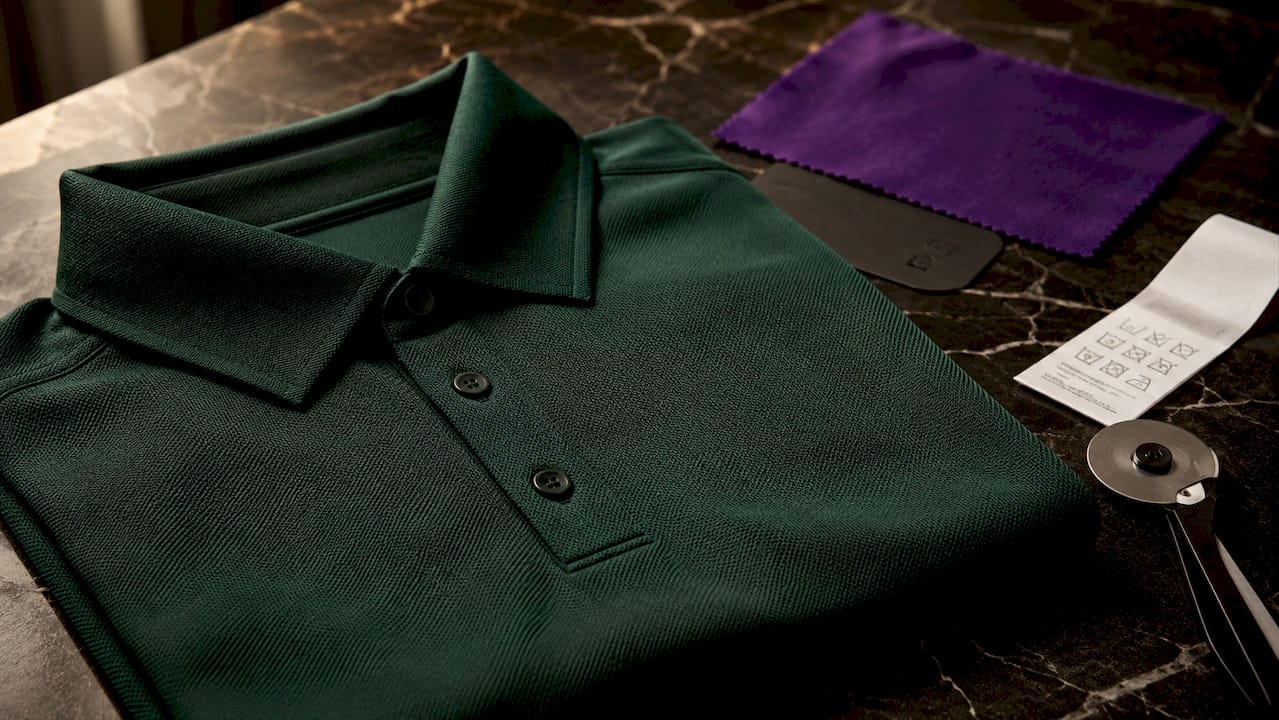
The difference between a performance polo and a traditional cotton polo comes down to how each fabric handles your body’s output during activity. Cotton is absorbent by nature. It pulls sweat in and holds it, which creates that heavy, wet-adhesion feeling you know from a hot afternoon in a standard polo. Synthetic polyester blends resist absorbing sweat entirely, staying lightweight and dry even in humid, high-intensity conditions. That is not a marginal improvement. It changes the entire wearing experience.
The weight difference alone tells the story. Performance polyester fabrics weigh roughly 3.8 ounces compared to traditional cotton polos at about 6 ounces. That 37% reduction in fabric weight means less material trapping heat against your skin.
| Feature | Performance polo | Traditional cotton polo |
|---|---|---|
| Fabric weight | ~3.8 oz | ~6.0 oz |
| Moisture management | Wicks and evaporates | Absorbs and retains |
| Stretch | 4-way with spandex | Minimal, fabric-dependent |
| Wrinkle resistance | High | Low to moderate |
| Dry time | Fast (minutes) | Slow (hours) |
| Best use | Active, outdoor, travel | Casual, low-activity |
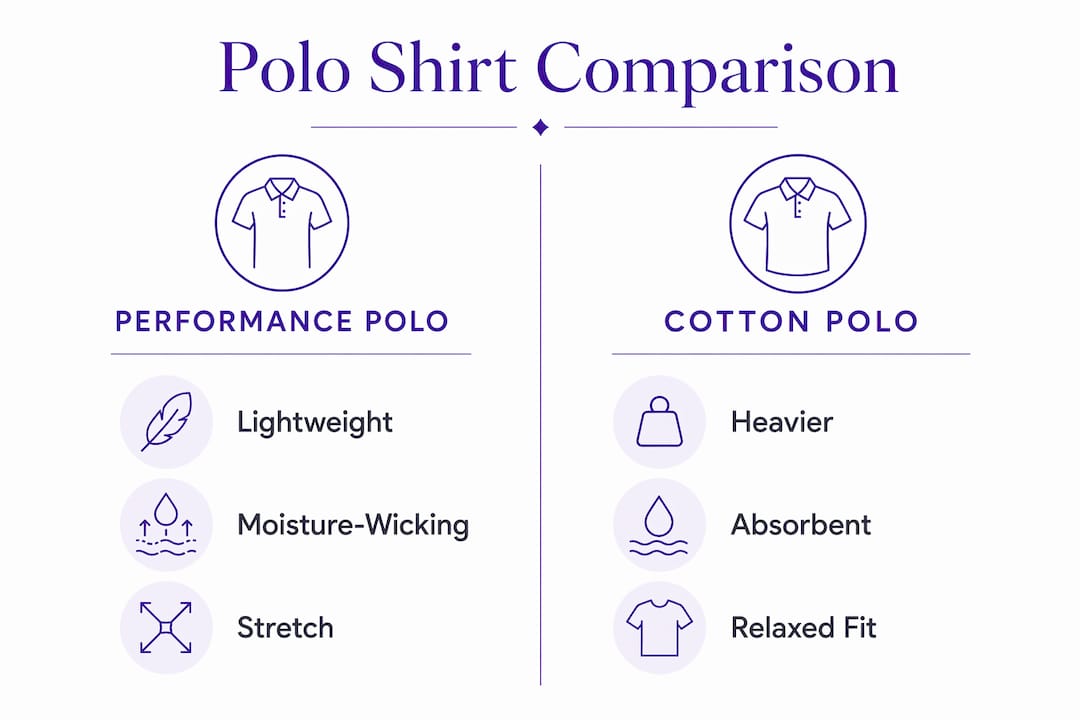
Fit is the other major difference. Traditional cotton polos tend toward boxy, relaxed cuts that were designed for comfort at rest. Performance polos use athletic cuts with room through the chest and shoulders, plus a longer back hem that stays tucked during a golf swing or a squat. The fit is engineered for movement, not just standing still.
What fabrics and knit structures are used in performance polos?
Fabric choice in a performance polo is not just about feel. It determines how the shirt performs in specific environments, and the knit structure is just as important as the fiber content.
The two dominant fabric categories are synthetic polyester/spandex blends and cotton-blend options like cotton pique or cotton jersey. Pure polyester blends deliver the strongest moisture management and fastest dry times. Cotton blends sacrifice some technical performance for a softer hand feel, which makes them more comfortable for all-day office wear but less effective during intense activity. Bamboo-cotton blends sit in a middle ground, offering natural softness with better breathability than standard cotton.
| Fabric type | Best for | Key trade-off |
|---|---|---|
| Polyester/spandex blend | Athletic activity, outdoor use | Less soft against skin |
| Cotton pique | Casual, low-activity wear | Absorbs moisture, slower drying |
| Cotton/polyester blend | Office to casual crossover | Moderate performance |
| Bamboo-cotton blend | All-day comfort, sensitive skin | Higher price point |
| Recycled polyester | Sustainability-focused buyers | Performance matches virgin poly |
Knit structure adds another layer of decision-making. Jersey knits deliver a smooth, office-appropriate look with natural stretch, while mesh knits provide ventilation for high-heat environments. A jersey performance polo works in a boardroom. A mesh performance polo works on a July golf course. They are not interchangeable, and most buyers do not realize this until they wear the wrong one in the wrong setting.
Sustainability trends have pushed recycled polyester into the mainstream. Brands now produce performance polos from post-consumer plastic bottles, and the technical performance matches virgin polyester in most lab tests. The fiber content matters less than the finish and knit construction when it comes to real-world performance.
Pro Tip: Avoid fabric softener when washing performance polos. Softener coats the synthetic fibers and blocks the capillary channels that make moisture-wicking work. Use a sport-specific detergent like Hex Performance or Nathan Sport-Wash instead.
How to choose the best performance polo for your needs
Choosing the right performance polo comes down to matching the shirt’s technical specs to how you actually plan to wear it. Here is a practical framework:
-
Define your primary use case. A polo for golf needs UPF protection, a longer back hem, and 4-way stretch. A polo for business casual needs a jersey knit, a structured collar, and wrinkle resistance. A polo for outdoor work needs antimicrobial treatment and fast dry time. The same shirt rarely excels at all three.
-
Assess the fit category. Athletic cuts run slimmer through the torso and are designed for movement. Classic fits offer more room but can look boxy on leaner frames. Try both before committing, especially if you plan to wear the shirt tucked. You can explore how athletic polo cuts support mobility before making a final call.
-
Check the spandex content. Anything below 5% spandex will feel stiff during activity. The 7 to 11% range is the sweet spot for stretch without the shirt losing its shape after washing.
-
Inspect the collar construction. Premium polos use sewn-in stays and rib-knit anti-curl designs to keep the collar flat after laundering. A collar that curls after three washes signals low-quality construction throughout the shirt.
-
Read the care instructions before buying, not after. Machine-washable performance polos with cold-water instructions are the most practical for regular wear. Shirts that require special handling will get worn less and replaced sooner.
If you are building a wardrobe that moves from sport to office, check out business casual polo options that balance technical performance with a professional silhouette. The right performance polo should not require you to change between your workout and your afternoon meeting.
Key takeaways
A performance polo shirt outperforms traditional cotton in every active-wear metric because its synthetic fabric construction manages moisture, weight, and movement in ways cotton physically cannot.
| Point | Details |
|---|---|
| Core definition | A performance polo uses technical synthetic fabrics to wick moisture, stretch, and resist odor. |
| Fabric weight advantage | Performance polyester at 3.8 oz is 37% lighter than standard 6 oz cotton, improving breathability. |
| Knit structure matters | Jersey knits suit office settings; mesh knits maximize airflow for high-heat athletic use. |
| Collar quality signals overall build | Sewn-in stays and rib-knit collars indicate durable construction that holds up after repeated washing. |
| Care determines longevity | Avoid fabric softener and use sport detergent to preserve moisture-wicking performance over time. |
Why performance polos changed how I think about getting dressed
I spent years treating polo shirts as a compromise. Not casual enough to be comfortable, not formal enough to be taken seriously. Then I wore a properly fitted performance polo through a full day that started with an early morning round of golf and ended in a dinner meeting, and I stopped thinking of it as a compromise at all.
What most buyers overlook is the collar. Everyone talks about moisture-wicking and stretch, which matter, but a polo with a curling collar looks cheap within a month regardless of how technically advanced the fabric is. The collar is the first thing people see. A sewn-in stay or a reinforced rib-knit collar is the difference between a shirt that looks sharp at 6 PM and one that looks like you slept in it.
The other thing people underestimate is fit. An athletic cut in a performance polo is not just about looking slim. It is about the shirt staying tucked, the shoulders sitting correctly during a swing or a reach, and the fabric not bunching at the waist when you sit. That engineering is what justifies paying more for a quality piece. You are not paying for a logo. You are paying for a shirt that was designed around how your body actually moves.
Moreciandco gets this right. The philosophy of getting what you pay for is exactly what the performance polo category demands. Buy cheap, and you get a shirt that loses its wicking properties after ten washes. Buy well, and you get a shirt that performs and looks better than anything else in your closet.
— Giuseppe
Discover Moreciandco’s performance polo collection

Moreciandco builds performance polos around the principle that quality should be felt, not just marketed. The Complesso Collection features bamboo-cotton blends and technical fabric construction that move from the course to the conference room without missing a beat. Every piece is cut for athletic builds, finished with collar construction that holds its shape, and designed to last beyond a single season. If you are ready to stop settling for shirts that look good on a hanger but fail in real wear, explore the full Moreciandco store and find a performance polo that actually delivers on every claim on the label.
FAQ
What is a performance polo shirt made of?
Performance polo shirts are made from synthetic polyester and spandex blends, typically containing 7 to 11% elastane for stretch. Some versions use cotton blends or bamboo-cotton for a softer feel with moderate technical performance.
How is a performance polo different from a regular polo?
A performance polo uses moisture-wicking synthetic fabric that pushes sweat away from the skin, while a traditional cotton polo absorbs and retains moisture. Performance versions also weigh roughly 37% less and include 4-way stretch for active movement.
Can you wear a performance polo for business casual?
Yes. Jersey-knit performance polos with structured collars and wrinkle-resistant fabric work well in business casual settings. Brands like Mizzen+Main and Moreciandco specifically engineer their cuts for this crossover use.
How do you wash a performance polo shirt?
Machine wash in cold water without fabric softener. Use a sport-specific detergent to prevent oil buildup in the synthetic fibers, which degrades moisture-wicking performance over time. Air dry or tumble dry on low.
What UPF rating should a performance polo have?
Look for UPF 50+ for meaningful sun protection during outdoor activity. This rating blocks over 98% of UV radiation and is standard in quality performance polos designed for golf, tennis, or outdoor work.