


Egyptian cotton shirts are superior because their extra-long staple (ELS) fibers produce softer, stronger, and more durable fabric than regular cotton can match. The fiber length, the Nile Delta’s unique growing conditions, and careful hand-harvesting all work together to create a shirt that feels better on day one and keeps improving over time. Understanding why Egyptian cotton shirts better serve your wardrobe means looking past marketing claims and into the actual fiber science. Moreciandco is built on exactly this principle: you should get what you pay for, and Egyptian cotton delivers.
Why are Egyptian cotton shirts better than regular cotton?
Egyptian cotton shirts outperform regular cotton shirts because of one defining characteristic: extra-long staple fibers. Staple length refers to the length of an individual cotton fiber. Standard upland cotton, which makes up the majority of global cotton production, produces fibers roughly 25–32mm long. Egyptian cotton fibers reach up to 50mm, making them significantly longer and fundamentally different in how they behave during spinning and weaving.
Longer fibers spin into finer, smoother yarns. Fewer fiber ends poke out from the surface, which means less roughness against your skin and far less pilling over time. The result is a shirt fabric that feels noticeably silkier from the first wear, not just in marketing copy.
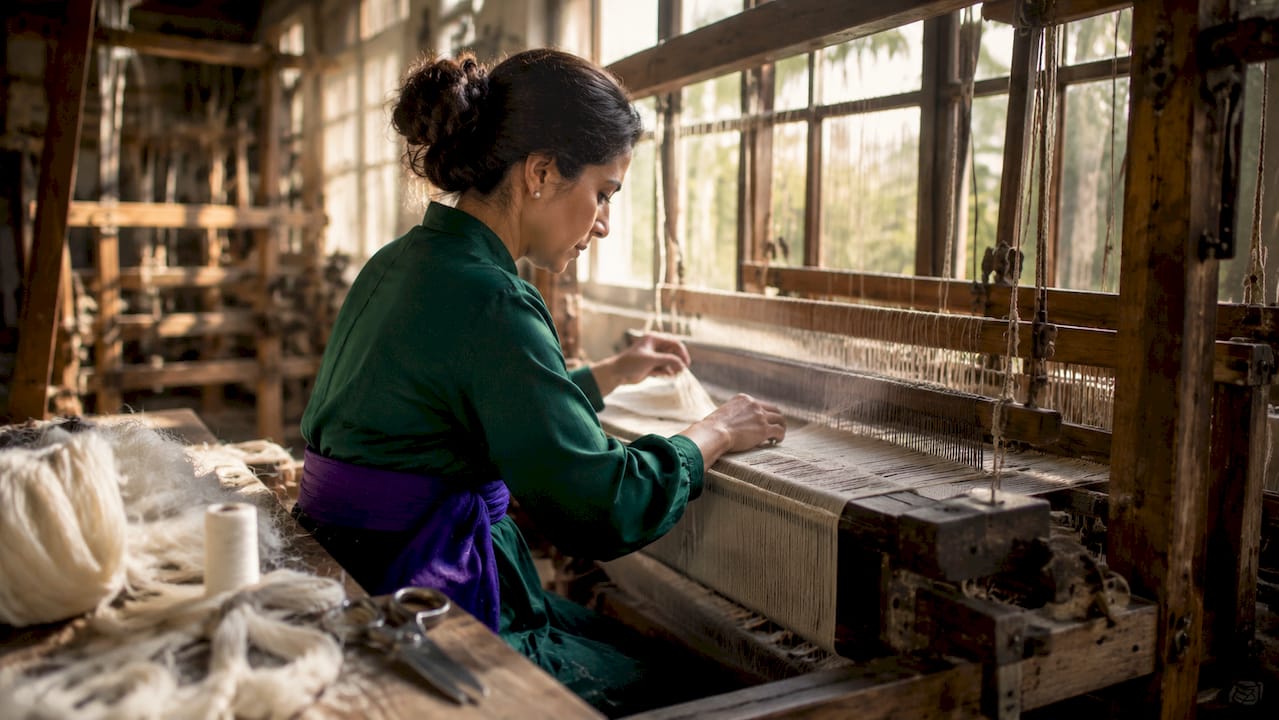
The Nile Delta’s environment is the reason Egyptian cotton fibers grow this long. The combination of rich alluvial soil, warm days, cool nights, and controlled irrigation from the Nile creates growing conditions that no other region fully replicates. Nile Delta soil and climate push the cotton plant to produce longer, finer fibers than it would in less ideal conditions. This is not a branding story. It is agronomy.
Harvesting method matters just as much as growing conditions. Egyptian cotton is hand-picked rather than machine harvested. Hand-picking preserves fiber length and keeps the fibers clean, while mechanical harvesting breaks fibers and introduces impurities. A broken fiber is a shorter fiber, and a shorter fiber produces a coarser, weaker yarn. That single difference in harvesting explains a large part of the quality gap between Egyptian cotton and commodity cotton.
Pro Tip: When shopping for Egyptian cotton shirts, look for the term “ELS” or “Extra Long Staple” on the label. This is the industry-standard designation that separates genuine Egyptian cotton from regular cotton marketed with vague geographic references.
The structural mechanics of ELS fibers allow Egyptian cotton yarns to be spun finer and stronger without the usual tradeoff between softness and durability. Regular cotton requires more twist in spinning to hold shorter fibers together, which creates internal stress in the yarn and leads to faster wear. Egyptian cotton yarns hold together with less twist, reducing that internal stress and producing a fabric that stays strong and soft simultaneously.
How do Egyptian cotton shirts perform better over time?
The performance advantages of Egyptian cotton shirts show up most clearly after repeated wear and washing. Regular cotton shirts tend to pill, thin out, and lose their shape within a few years. Egyptian cotton shirts do the opposite.
Authentic Egyptian cotton fabric becomes softer with washing rather than degrading. The long fibers settle and align with each wash cycle, which is why a well-made Egyptian cotton shirt feels better after six months than it did when you first bought it. Regular cotton, by contrast, loses fiber integrity with each wash as shorter fibers break down and escape the weave.
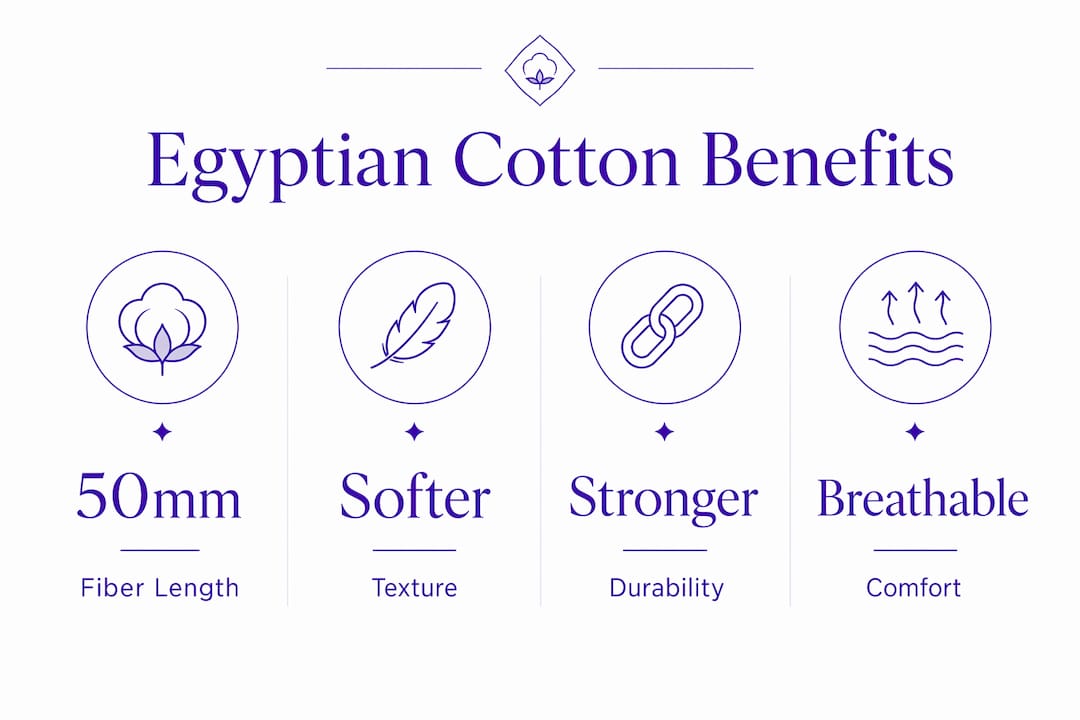
The breathability difference is real and measurable in daily wear. Egyptian cotton’s fine, porous fibers breathe better and wick moisture more effectively than regular cotton. This makes Egyptian cotton shirts noticeably cooler and more comfortable in warm or humid conditions. For anyone who wears dress shirts in summer or in warm offices, this is not a minor benefit.
Here is how the key performance differences stack up in practical terms:
- Pilling resistance. Fewer exposed fiber ends mean the shirt surface stays smooth through dozens of washes.
- Tear resistance. Longer, stronger fibers produce a denser weave that resists thinning and tearing at stress points like collars and cuffs.
- Color retention. Finer, smoother yarns absorb dye more evenly and hold color longer than coarser regular cotton yarns.
- Shape retention. Less internal yarn stress means the fabric holds its cut and drape wash after wash.
- Comfort over time. The fabric softens progressively, so the shirt gets more comfortable the longer you own it.
Egyptian cotton shirts also support a higher thread count using single-ply yarns without sacrificing breathability. Many regular cotton shirts achieve high thread counts by using multi-ply yarns, which creates a denser but less breathable fabric. Single-ply ELS yarns give you density and airflow together. For a full breakdown of how fabric construction affects shirt comfort, the dress shirt fabric guide at Moreciandco covers this in detail.
What should you look for to buy authentic Egyptian cotton shirts?
Authenticity is the biggest challenge in the Egyptian cotton market. Many products labeled “Egyptian cotton” are blends or uncertified fabrics that lack the genuine fiber qualities buyers expect. The label alone is not enough.
The most reliable verification tool is the Cotton Egypt Association Pyramid Mark. This certification confirms that the cotton used is genuinely grown in Egypt and meets ELS fiber standards. Without it, a product may contain a small percentage of Egyptian cotton blended with cheaper upland cotton, or no Egyptian cotton at all.
Watch for these common marketing traps:
- Inflated thread counts. Thread counts above 600 in regular cotton shirts are almost always achieved with multi-ply yarns, which feel heavier and less breathable. Genuine Egyptian cotton shirts deliver superior feel at thread counts of 200–400 using single-ply yarns.
- Vague geographic claims. “Egyptian-style” or “inspired by Egyptian cotton” are not the same as certified Egyptian cotton. These phrases carry no fiber quality guarantee.
- Blend labeling. A shirt labeled “Egyptian cotton blend” may contain as little as 5% Egyptian cotton. The blend percentage matters.
- Missing certifications. Reputable manufacturers display the Cotton Egypt Association Pyramid Mark or provide clear documentation of ELS fiber sourcing.
Price is also a signal. Egyptian cotton shirts cost more because the raw material, harvesting, and spinning processes are genuinely more expensive. A shirt priced at the same level as mass-market cotton is almost certainly not made from authentic ELS Egyptian cotton.
Pro Tip: Pima cotton, grown primarily in the American Southwest and Peru, is another ELS cotton variety worth knowing. It shares many quality characteristics with Egyptian cotton. If a shirt is labeled Supima, that is certified American Pima cotton and a legitimate premium option, though Egyptian cotton’s specific growing environment still produces a distinct fiber profile.
Are Egyptian cotton shirts worth the premium price?
Egyptian cotton shirts cost roughly 2–3 times more than comparable regular cotton shirts. That price gap is real, and it deserves an honest answer.
The cost-per-wear math strongly favors Egyptian cotton. Egyptian cotton maintains fabric integrity for up to 10 years, while regular cotton shirts typically degrade within 2–4 years. A $120 Egyptian cotton shirt worn over 10 years costs far less per wear than a $45 regular cotton shirt replaced every two years. The premium pays for itself through longevity alone, before accounting for comfort or appearance.
“The best shirt you own is the one you reach for first. Egyptian cotton shirts earn that position not because of the price tag, but because they feel better, last longer, and look sharper after years of use.”
The practical scenarios where Egyptian cotton shirts deliver the clearest value include:
- Business and formal wear. Shirts worn frequently for professional settings benefit most from Egyptian cotton’s shape retention and color stability.
- Warm climate dressing. The breathability advantage makes Egyptian cotton the clear choice for anyone in humid or hot environments.
- Wardrobe investment pieces. Buyers who prefer fewer, better items over frequent replacements get the best return from Egyptian cotton.
For buyers focused purely on budget, regular cotton shirts remain functional. But for anyone who values comfort, appearance, and long-term value, the premium undershirt benefits of ELS fabrics apply directly to dress shirts as well. The investment case is clear.
Key Takeaways
Egyptian cotton shirts are worth the premium because ELS fibers produce softer, stronger, and more breathable fabric that improves with washing and outlasts regular cotton by years.
| Point | Details |
|---|---|
| ELS fibers define quality | Extra-long staple fibers up to 50mm produce finer, smoother yarns than regular cotton. |
| Fabric improves with washing | Egyptian cotton softens over time rather than degrading, unlike standard cotton shirts. |
| Breathability is a real advantage | Fine, porous fibers regulate body temperature better, making shirts cooler in warm conditions. |
| Verify with certification | The Cotton Egypt Association Pyramid Mark is the only reliable proof of authentic Egyptian cotton. |
| Cost-per-wear favors Egyptian cotton | A 10-year lifespan versus 2–4 years for regular cotton makes the higher price worthwhile. |
Why I think most people underestimate Egyptian cotton shirts
Most buyers focus on thread count when shopping for quality shirts. That number is almost meaningless without knowing the fiber type and yarn construction behind it. A 400-thread-count Egyptian cotton shirt will outperform a 1,000-thread-count regular cotton shirt in every practical measure, including softness, durability, and breathability. The industry has trained shoppers to chase the wrong metric.
The authenticity problem is also worse than most people realize. A large share of shirts sold as “Egyptian cotton” contain little to none of the genuine fiber. I have seen shirts with premium price tags and no certification, relying entirely on the geographic name to justify the cost. The Cotton Egypt Association Pyramid Mark exists precisely because this mislabeling became so widespread.
What I find most compelling about Egyptian cotton is the improvement arc. Most fabrics degrade. Egyptian cotton gets better. That is a genuinely unusual property in apparel, and it changes how you think about buying shirts. Instead of replacing a shirt every couple of years, you are investing in something that earns its place in your wardrobe over time. That aligns exactly with what Moreciandco stands for: getting real value for what you spend.
Sustainable fashion conversations often focus on materials like recycled polyester or organic cotton. Egyptian cotton deserves more attention in that space. A shirt that lasts a decade and improves with age has a lower environmental footprint than three or four cheaper shirts that end up in landfill. Quality and sustainability are not competing values here. They point in the same direction.
— Giuseppe
Quality Egyptian cotton shirts at Moreciandco
Moreciandco is built around one idea: you should get exactly what you pay for. That means authentic materials, real craftsmanship, and garments that hold up over years of wear.
The Complesso Collection brings together luxury pieces made from premium fabrics, including Egyptian cotton options built for buyers who want shirts that perform as well as they look. Every piece reflects the same standard: no shortcuts on materials, no inflated claims. If you are ready to invest in shirts that last, the Moreciandco store is the place to start. Real quality, real value, and a wardrobe that gets better with time.
FAQ
What makes Egyptian cotton different from regular cotton?
Egyptian cotton is defined by its extra-long staple fibers, which grow up to 50mm due to the Nile Delta’s unique soil and climate. These longer fibers produce finer, smoother, and stronger yarns than standard upland cotton.
How long do Egyptian cotton shirts last?
Egyptian cotton shirts maintain fabric integrity for up to 10 years with proper care, compared to 2–4 years for regular cotton shirts. The fabric also softens with each wash rather than degrading.
How do I know if an Egyptian cotton shirt is authentic?
Look for the Cotton Egypt Association Pyramid Mark on the label or product documentation. Without this certification, a shirt labeled “Egyptian cotton” may be a blend or contain no genuine ELS fiber.
Are Egyptian cotton shirts good for hot weather?
Egyptian cotton is one of the best cotton types for warm weather. Its fine, porous fibers breathe better and wick moisture more effectively than regular cotton, keeping you cooler in humid or hot conditions.
Is Egyptian cotton worth the higher price?
Egyptian cotton costs roughly 2–3 times more than regular cotton upfront, but its 10-year lifespan makes the cost-per-wear significantly lower. The combination of durability, comfort, and fabric improvement over time justifies the investment for most buyers.