


The three-layer system is the industry standard for managing body temperature, moisture, and weather protection during outdoor physical activity. When you layer clothing for outdoor training correctly, you stay dry, warm, and mobile across changing conditions. The system relies on three distinct zones: a moisture-wicking base layer, an insulating mid-layer, and a weather-resistant outer shell. Materials like merino wool and synthetic fibers such as Polartec Alpha Direct each play a specific role depending on your training intensity and duration.
What are the essential layers for outdoor training?
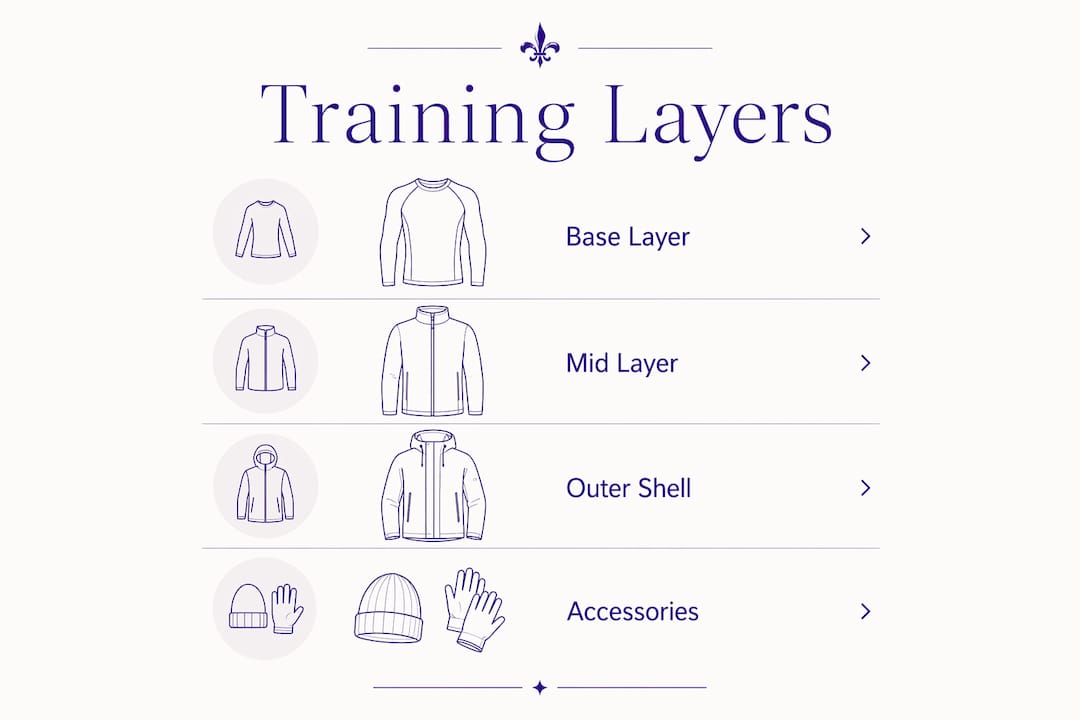
Every effective outdoor layering system for training has three functional layers. Each one does a specific job, and removing any one of them creates a gap in your protection.
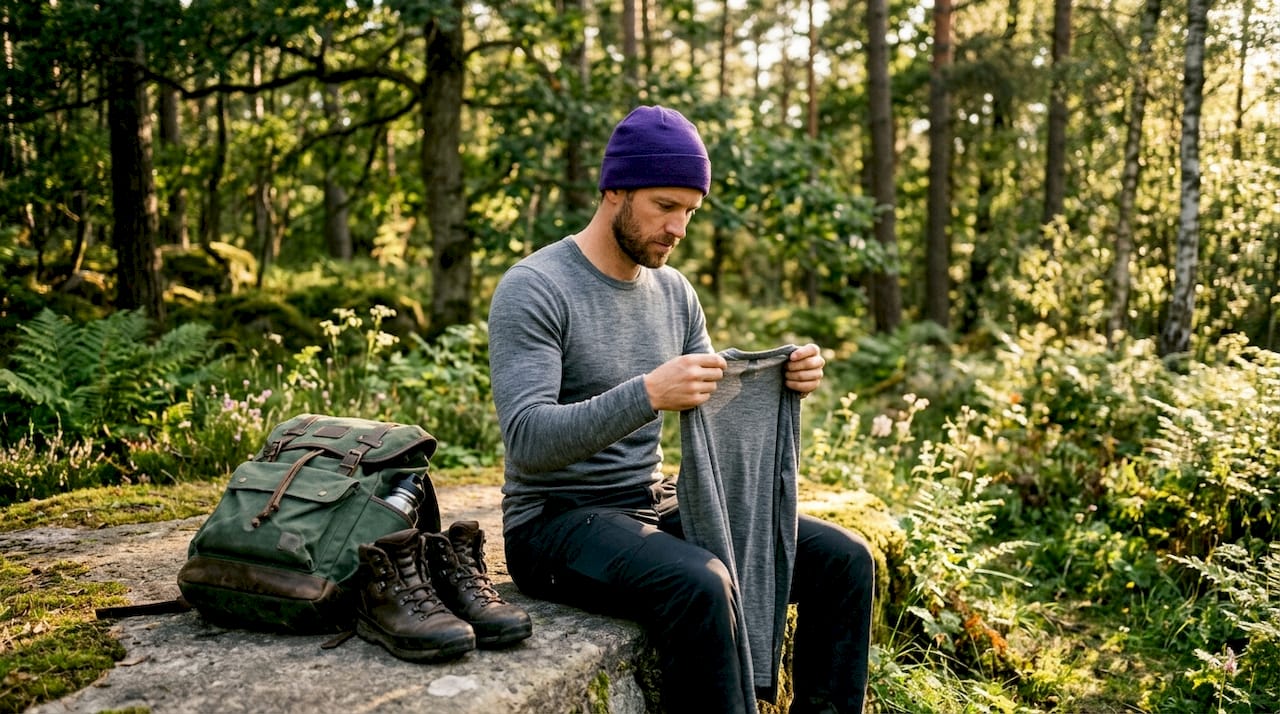
Base layer. This sits directly against your skin. Its job is to pull sweat away from your body and keep your skin dry. Merino wool and synthetic fabrics like polyester both work well here. The base layer must fit close to the body so it can transfer moisture efficiently.
Mid-layer. This layer traps warm air close to your body. Fleece, down, and active insulation fabrics like Polartec Alpha Direct all serve this function. The mid-layer should be breathable enough to release excess heat during high-output efforts.
Outer shell. This is your defense against wind, rain, and snow. A good shell is water-resistant or waterproof, and it must allow water vapor to escape so sweat does not build up inside. Softshells work well for high-intensity training in light rain or wind. Hardshells are better for sustained exposure to heavy precipitation.
Accessories. Gloves, beanies, and ear warmers round out the system. Well-chosen accessories protect your extremities without causing overheating or blocking airflow. Treat them as adjustable tools, not fixed additions.
How to choose the best fabrics for each training layer
Fabric choice determines how well your layering system performs under real training conditions. The right material for each layer depends on your activity intensity, the weather, and how long you plan to be outside.
Merino wool vs. synthetics
Merino wool excels at odor resistance and steady warmth during low-intensity or multi-day activities. It regulates temperature naturally and stays comfortable even when slightly damp. Synthetics like Polartec Alpha Direct are the better choice for high-intensity training. They wick moisture faster and dry more quickly than wool, which matters when you are generating a lot of sweat.
Fabric weight and breathability
- Lightweight synthetics work best as base layers for high-output training like trail running or cycling.
- Midweight merino suits moderate-intensity activities such as hiking or ski touring where you need warmth without overheating.
- Fleece mid-layers provide strong insulation-to-weight ratios and breathe well during aerobic effort.
- Softshell outer layers offer stretch and breathability for active training in dry, cold conditions.
- Hardshell outer layers prioritize waterproofing for wet or stormy weather, with less breathability as a tradeoff.
Mixing fabrics for mobility
Smooth synthetic base layers slide easily under textured fleece mid-layers. This prevents bunching and keeps your range of motion intact. Pairing fabrics of different weights and textures also improves air circulation between layers, which helps regulate heat more effectively.
Pro Tip: Avoid fabrics with the same surface texture back-to-back. A smooth base under a nubby fleece mid-layer moves better than two smooth layers that grip each other.
Step-by-step techniques to layer clothing for outdoor workouts
Follow this sequence to build a layering system that works across changing conditions.
-
Start with a fitted base layer. Choose a moisture-wicking fabric that sits close to your skin without restricting movement. Loose base layers trap air in the wrong places and reduce moisture transfer.
-
Add a mid-layer matched to the temperature. In temperatures below 40°F, use a heavier fleece or active insulation piece. In the 40–55°F range, a lightweight fleece or thin synthetic jacket is usually enough.
-
Top with a breathable shell. Your outer layer should block wind and repel water while allowing vapor to escape. Look for pit zips or chest vents if you run hot during training.
-
Add accessories last. Gloves, a beanie, and ear warmers protect the areas that lose heat fastest. Choose breathable versions so you can remove them easily when your effort level rises.
-
Ventilate before you overheat. Opening zippers and cuffs provides micro-adjustments to temperature without removing layers entirely. This keeps your core warm while releasing excess heat during hard efforts.
Pro Tip: Start your outdoor workout feeling slightly cool. You will warm up within the first five minutes, and starting too warm leads to sweating through your base layer before you hit your stride.
Layering system by weather condition
| Condition | Base layer | Mid-layer | Outer shell |
|---|---|---|---|
| Cold and dry (below 32°F) | Heavyweight merino or synthetic | Insulated fleece or down | Windproof hardshell |
| Cold and wet (32–45°F) | Lightweight synthetic | Active insulation (Polartec Alpha) | Waterproof breathable hardshell |
| Cool and dry (45–55°F) | Lightweight merino or synthetic | Lightweight fleece | Softshell or wind jacket |
| Mild and variable (55–65°F) | Lightweight synthetic | Optional thin layer | Light wind vest |
Common layering mistakes that hurt outdoor training performance
Most layering failures come down to three errors: wrong fabric at the skin, too much bulk, and no plan for adjusting during activity.
-
Cotton at the skin is the biggest mistake. Cotton retains sweat and does not dry quickly, which raises the risk of hypothermia during outdoor exercise. Replace any cotton base layer with merino wool or a synthetic alternative.
-
Over-bulking restricts movement and causes overheating. Thin, natural fiber inner layers with varied hem lengths and intentional silhouettes create movement-friendly layering. Three thin layers outperform two thick ones in both mobility and heat regulation.
-
Ignoring fabric texture leads to bunching. Pairing smooth synthetic base layers with nubby fleece mid-layers and structured shells allows better air circulation and heat regulation. Matching textures cause layers to grip each other and limit your stride.
-
Removing layers completely instead of venting. Once you strip a layer off during a run, you lose the option to put it back on quickly when you slow down or stop. Vent first by unzipping, then remove only if venting is not enough.
-
Skipping accessories. Your hands and head lose heat faster than your torso. Leaving gloves or a hat behind on a cold morning is a common error that affects performance within the first mile.
The goal of a layering system is not to stay perfectly warm at rest. It is to stay functional across the full range of effort levels you will hit during a training session.
Key takeaways
Effective outdoor training layering requires three distinct layers, the right fabrics for your effort level, and active adjustment throughout your workout.
| Point | Details |
|---|---|
| Three-layer system | Base, mid, and outer layers each serve a specific function that the others cannot replace. |
| Avoid cotton at the skin | Cotton retains moisture and increases hypothermia risk; use merino wool or synthetics instead. |
| Match fabrics by intensity | Merino wool suits low-intensity endurance; synthetics like Polartec Alpha Direct excel in high-output training. |
| Vent before you strip | Open zippers and cuffs to regulate heat before removing a full layer during activity. |
| Mix fabric textures | Smooth base layers under textured mid-layers prevent bunching and improve mobility. |
What I have learned from layering wrong in the field
The first time I trained through a full winter season with a proper layering system, I realized how much performance I had been leaving on the table. Before that, I was either too cold at the start or soaked through by mile three. The fix was not buying more gear. It was understanding that each layer has one job.
The transition seasons are where most athletes get it wrong. October and april feel mild at the trailhead but punish you fast when clouds roll in or the wind picks up. My rule now is to always carry one more layer than I think I need for anything over 90 minutes. A packable wind vest weighs almost nothing and has saved more training sessions than I can count.
The insight that changed my approach most was intentional fabric mixing. I used to grab whatever was clean. Now I think about surface texture before I dress. A smooth base under a textured fleece mid-layer moves completely differently than two fleece pieces stacked on top of each other. That difference shows up in your stride, your shoulder rotation, and how freely you can reach for a water bottle at full pace.
My honest advice: test your system in controlled conditions before you rely on it for a long effort. Do a short 30-minute run in your full kit before committing to a three-hour trail session. You will find the friction points, the hot spots, and the gaps before they become problems. Layering is a skill. The athletes who perform consistently in bad weather are not tougher. They just practiced their system.
— Giuseppe
Gear that earns its place in your layering system
Building a layering system that actually performs starts with pieces worth wearing. Moreciandco was built on the idea of getting what you pay for, and that shows up in every fabric choice and construction detail.

The Complesso Collection includes luxury layering pieces built from sustainable fabrics with the fit and mobility that outdoor training demands. The Complesso Tee uses bamboo-cotton construction made in Portugal, giving you a base layer that breathes, moves, and holds up across sessions. For accessories that complete your system, the performance accessories collection covers hats and headwear built for active use. Visit Moreciandco to see the full range of training-ready pieces.
FAQ
What is the three-layer system for outdoor training?
The three-layer system uses a moisture-wicking base layer, an insulating mid-layer, and a weather-resistant outer shell. Each layer manages a specific function: moisture removal, heat retention, and weather protection.
Why should you avoid cotton base layers for outdoor workouts?
Cotton absorbs sweat and dries slowly, which raises your risk of hypothermia during outdoor exercise. Merino wool and synthetic fabrics wick moisture away from the skin and dry far faster.
How do you stay warm without overheating while training outside?
Vent your layers by opening zippers and cuffs before you feel too hot. This regulates warmth during varying intensity without requiring full layer removal.
What fabrics work best for high-intensity outdoor training?
Synthetic fabrics like Polartec Alpha Direct excel in high-intensity settings because they wick moisture quickly and release excess heat continuously. Merino wool is better suited for lower-intensity or multi-day efforts where odor control and steady warmth matter more.
How many layers do you actually need for cold-weather training?
Three layers cover most conditions: a fitted base, an insulating mid-layer, and a breathable shell. Add accessories like gloves and a beanie to protect extremities without adding bulk to your torso.