


Before you buy, run this six-point athletic wear durability checklist: (1) confirm fabric content and GSM, (2) check stitch density and seam type, (3) look for reinforced stress points and quality hardware, (4) verify that fit and patterning limit strain at failure zones, (5) read the care, repair, and warranty policies, and (6) run simple arrival tests on seams, zippers, and snap-back.
Start here: request the fabric specs and warranty terms before checkout. If a brand won’t publish them, that silence is the answer.
- Materials and GSM: quality tees sit at 220 GSM and above; fast-fashion pieces often measure 140–160 GSM.
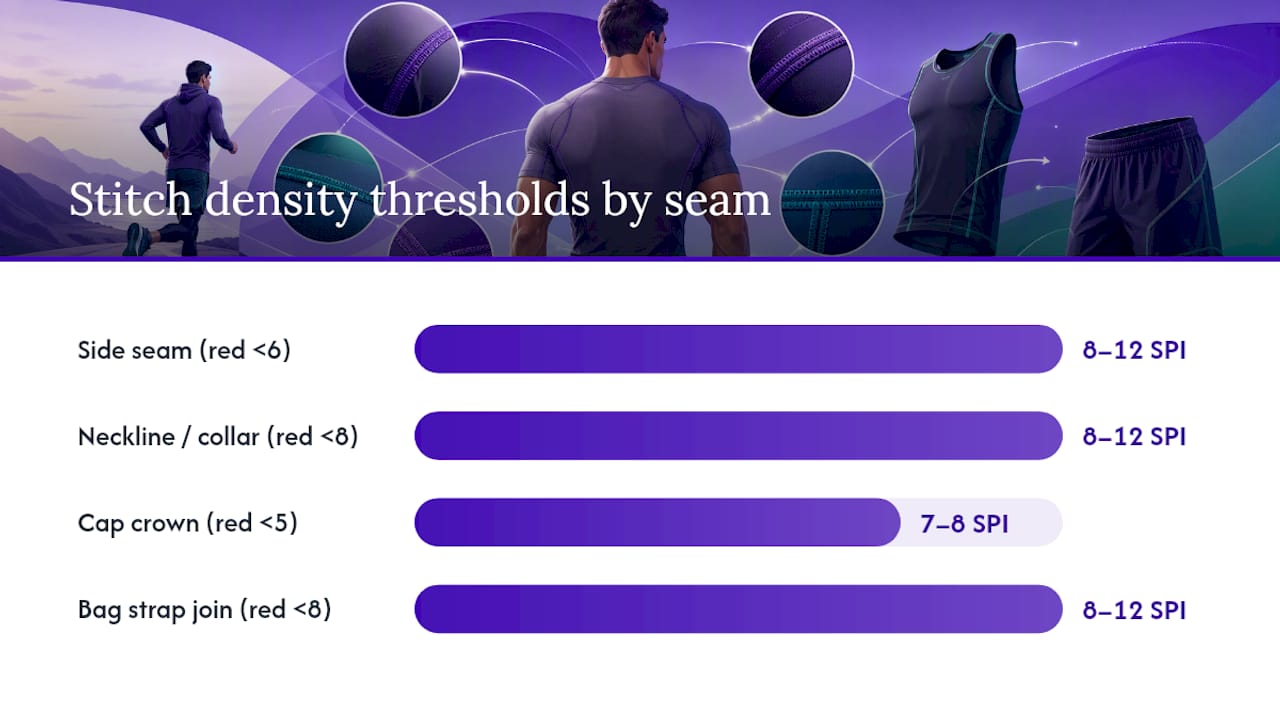
- Stitch density: 8–12 stitches per inch (SPI) on visible seams signals quality; below 6 SPI is a red flag.
- Seam type: French or Hong Kong seams on garments, taped seams on outerwear.
- Stress points: bartacks at pocket corners, reinforced strap joins on bags, doubled collar construction.
- Policies: warranty, repair program, and a clear return window.
- Arrival tests: seam tug, zipper pull, cuff snap-back.
Moreciandco publishes full fabric specs, GSM, and construction notes on every product page — a transparency signal most DTC brands skip.
Pro Tip: Ask customer service one question before you buy: “What is the GSM of this piece?” A brand that knows the answer without hesitation is a brand that controls its own supply chain.
Key Takeaways
A premium piece that passes the GSM, stitch-density, seam-type, hardware, and policy checks will consistently outlast one that doesn’t by years, not months.
| Point | Details |
|---|---|
| GSM is the first filter | Request 220+ GSM for tees and 280 GSM for caps; below those thresholds, durability drops fast. |
| Stitch density matters | 8–12 SPI on garment seams and 7+ SPI on cap seams are the quality thresholds to verify. |
| Seam type predicts failure | French or Hong Kong seams on garments signal higher assembly quality and longer seam life. |
| Care habits extend lifespan | Cold wash, hang-dry, and 24-hour rotation between wears add years to premium pieces. |
| Moreciandco publishes specs | The Complesso Tee, Cappellino Hat, and PU leather golf bag all carry published construction details to verify against this checklist. |
Table of Contents
- How do you evaluate materials for durability in premium athletic wear?
- What construction details predict long-lasting athletic gear?
- How do fit and patterning affect how long your clothes last?
- Care practices that actually extend the life of premium pieces
- Simple tests to run before you buy or on arrival
- What lifespan should you expect from premium DTC pieces?
- What purchase signals and policies should you require?
- Your printable durability checklist: pre-purchase and on-arrival
- Why “getting what you pay for” is still the hardest problem in menswear
- Moreciandco products that meet the checklist
- Sources
How do you evaluate materials for durability in premium athletic wear?
Fiber content is the first filter. For pieces worn next to skin, aim for high natural-fiber content and avoid anything with more than 50% synthetic content in shirts and knitwear. Bamboo-cotton blends thread that needle well: bamboo adds natural moisture management and a soft hand, while cotton provides structure and wash stability. The ratio matters. A 70/30 bamboo-cotton blend behaves very differently from a 50/50 one, especially after 50 washes.
Fabric weight tells you what you’re actually getting. Here’s how the numbers break down:
Heavy fabrics maintain clean lines and resist unwanted creasing — visible in product photos if you know what to look for. A collar that looks floppy after professional steaming signals thin fabric or weak interfacing.
For PU leather golf bags, surface finish alone tells you almost nothing. What matters is how load-bearing elements route stress through reinforced channels and internal webbing. A bag that looks pristine on the outside can degrade fast at the base and strap joins if those load paths aren’t reinforced.
Finishes and yarn construction also affect long-term wear. Ring-spun yarns pill less than open-end spun. Compact knits resist abrasion better than loose-gauge constructions. Enzyme washes soften fabric without weakening fiber bonds, unlike aggressive chemical treatments that leave fabric brittle after repeated washing.
Pro Tip: Ask for the yarn construction, not just the fiber content. “Ring-spun 100% cotton” and “open-end cotton” are not the same product.
What construction details predict long-lasting athletic gear?
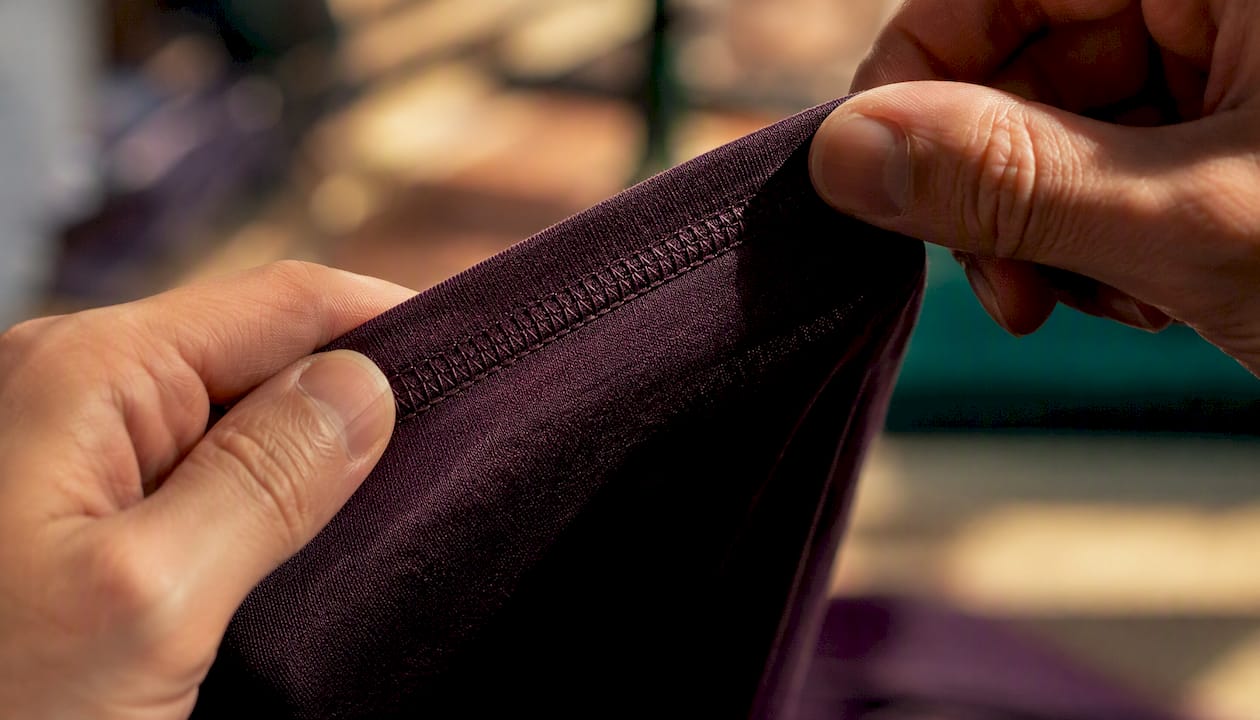
Stitch density is the single most verifiable construction signal. Quality garment seams run 8–12 SPI; anything below 6 SPI on a stress seam is a failure waiting to happen. For structured caps, premium OEM sampling averaged 7.2 SPI versus 4.6 SPI on budget sets — a gap that shows up as fraying crowns and split seams within a season.
| Seam location | Minimum quality SPI | Red flag SPI |
|---|---|---|
| Garment side seam | 8–12 | Below 6 |
| Neckline / collar | 8–12 | Below 8 |
| Cap crown seam | 7–8 | Below 5 |
| Bag strap join | 8–12 | Below 8 |
French (closed) seams and Hong Kong (bias-bound) seams indicate higher assembly quality. French seams encase raw edges entirely, eliminating the fraying that starts most garment failures. Hong Kong seams bind raw edges with bias tape — common on unlined jackets and structured outerwear. Overlocked seams are acceptable on athletic wear but should be paired with a straight-stitch lockstitch for load-bearing seams, not used alone.
Hardware checklist for bags and caps:
- Zippers: look for YKK or equivalent branded sliders; avoid unbranded plastic pulls on high-use pockets.
- Cap visor core: plastic or multi-layer construction, never cardboard, which warps with sweat and humidity.
- Rivets and buttons: metal shank buttons and copper rivets at stress points outlast plastic alternatives.
- Bartacks: short, dense stitching at pocket corners, strap joins, and belt loops — their absence is a shortcut that costs you.
Pro Tip: In product photos, zoom into the hem. If you can see individual thread loops or the seam allowance through the fabric, the construction is too light for regular wear.
How do fit and patterning affect how long your clothes last?
Tight armholes and narrow collar openings concentrate stress at the seam every time you move. That’s not a fit preference — it’s a mechanical failure accelerator. A tee cut with a generous armhole and a slightly dropped shoulder distributes pull across more fabric and more stitches, which extends seam life considerably.
Stress zones by product type:
- Tees and polos: neckline, shoulder seams, placket (polos), and underarm gusset.
- Hoodies: cuffs, hem, hood attachment seam, and kangaroo pocket edges.
- Caps: crown seam, sweatband attachment, and visor-to-crown join.
- Golf bags: base panel, strap joins, and divider collar where clubs exit.
Design features that extend life: gussets under the arm reduce seam tension during overhead movement. Articulated panels (cut with a slight forward rotation) follow natural body position instead of fighting it. Doubled collar construction on polos prevents the neckline from rolling and stretching out of shape. Taped internal seams on outerwear seal and reinforce simultaneously.
Fit directly affects function and longevity — a piece cut too tight for your frame will fail at the seams faster than the fabric itself wears out.
Pro Tip: When reviewing product photos, mentally simulate putting the garment on and raising both arms. If the hem would ride up past the waistband, the cut is too short and the side seams will take constant tension.
Care practices that actually extend the life of premium pieces
Cold water washing preserves fiber integrity. Hot water breaks down elastic fibers, loosens dye bonds, and accelerates shrinkage in natural-fiber blends. Cold wash, gentle detergent, turned inside out, and hang-dry are the four habits that separate a tee that lasts four years from one that pills out in eighteen months.
Laundry rules:
- Cold water, always. Warm water is acceptable for heavily soiled items once in a while; hot water never.
- Skip fabric softener on brushed fleece — it coats fibers and reduces the loft that makes heavyweight hoodies feel substantial.
- Gentle cycle for anything with structure (collars, plackets, cap brims).
- Hang-dry tees and polos; lay flat for heavy knits to prevent shoulder stretch.
PU leather care is simpler than most people assume. Wipe down with a damp cloth after use. Condition every 3–4 months with a PU-safe conditioner — not a wax-based leather conditioner, which can crack PU coatings. Keep bags out of direct sunlight during storage; UV exposure degrades PU faster than use does.
First 90 days care routine:
- Wash before first wear, cold, inside out.
- Air-dry completely before storing or wearing again.
- Inspect seams and hardware after the first wash.
- Hang tees and polos; fold heavy knits on a shelf.
- Wipe down any PU leather item after each use.
- Rotate wear — allow at least 24 hours between wears for heavy knits and structured pieces to recover shape.
Pro Tip: A mesh laundry bag costs three dollars and prevents zipper pulls from snagging adjacent fabric in the wash. Use one for anything with hardware.
Simple tests to run before you buy or on arrival
These take under two minutes and tell you more than any product description.
- Seam tug test: grip the fabric on either side of a seam and pull gently. The seam should hold without the stitches visibly spreading. Any gaping means the SPI is too low.
- Cuff snap-back test: stretch the cuff ribbing fully, hold for three seconds, release. It should return to its original width within one second. Slow recovery signals degraded elastic or low-quality ribbing yarn.
- Zipper pull test: zip and unzip three times. The slider should move smoothly with consistent resistance. Binding, skipping, or a slider that feels loose on the tape are all failure signals.
- Collar structure test: fold the collar flat, then release. A quality collar returns to its original shape. A collar that stays creased has weak interfacing or insufficient fabric weight.
- Hardware torque test (bags): grip a strap attachment point and apply rotational pressure. It should feel solid, with no movement between the hardware and the bag body.
- Brim press test (caps): press the visor flat and release. A plastic or multi-layer core springs back; a cardboard core stays deformed.
Red flags that should trigger a return or warranty claim:
- Loose threads at any seam on arrival.
- Zipper slider that binds on the first use.
- Collar or hem that won’t lie flat after one wash.
- Strap hardware that rotates freely at the attachment point.
What lifespan should you expect from premium DTC pieces?
A heavyweight bamboo-cotton tee at 220+ GSM, washed cold and hang-dried, realistically lasts 4–6 years with regular wear. A structured baseball cap with a plastic visor core and 280+ GSM fabric holds its shape for 3–5 seasons. A PU leather golf bag, wiped down after use and stored away from UV, typically gives 5–8 years before the coating shows meaningful wear at high-contact points.
Common failure modes by category:
- Tees: neckline stretch (usually from hot drying or pulling over the head roughly), hem unraveling, underarm seam failure.
- Polos: placket distortion, collar roll, button shank failure after repeated washing.
- Hoodies: cuff sag, hem distortion, hood attachment seam fraying. See performance hoodie construction details for what separates a hoodie that holds up from one that doesn’t.
- Caps: visor warp (cardboard core), sweatband delamination, crown seam fraying.
- PU leather bags: base panel wear, strap join delamination, zipper slider failure on main compartment.
Hot drying is the single biggest accelerator of premature failure across all categories. A tee dried on high heat after every wash loses structural integrity at the seams and neckline noticeably faster than one hang-dried. Daily wear without rotation compounds this — fibers need recovery time, and elastic components need to decompress between uses.
What purchase signals and policies should you require?
A product page that lists only “premium fabric” and a color option is telling you something. Brands that control their supply chain publish the full breakdown: fiber content, GSM, stitch construction notes, hardware specs, and country of assembly. That information exists — if it’s not on the page, it’s a choice not to share it.
Before you buy, confirm:
- Full fiber content and percentage breakdown.
- GSM (or fabric weight equivalent).
- Seam type and construction notes for stress points.
- Hardware brand or spec for zippers and bag fittings.
- Country of assembly (not just “designed in”).
- Warranty terms: what’s covered, for how long, and how to claim.
- Repair program or policy for common failure modes.
- Return window and whether return shipping is prepaid.
Questions to send to customer service:
- “What is the GSM of this tee?”
- “Is the cap visor a plastic or cardboard core?”
- “What seam type is used at the shoulder and neckline?”
- “Does this bag have reinforced channels at the strap joins?”
- “What does your warranty cover for hardware failure?”
Brands confident in quality make returns easy for high-ticket items. A short return window or paid return shipping on a $100+ piece is a signal the brand isn’t fully backing what it sells.
Your printable durability checklist: pre-purchase and on-arrival
A. Pre-purchase checklist
- [ ] Fiber content and percentage listed on product page?
- [ ] GSM published or available from customer service?
- [ ] Seam type and construction notes present?
- [ ] Hardware specs listed (zipper brand, visor core type)?
- [ ] Warranty terms clearly stated?
- [ ] Repair or replacement policy available?
- [ ] Return window 30 days or more, with prepaid return shipping?
- [ ] Long-term customer reviews mentioning durability after 1+ year?
B. Arrival/in-store inspection checklist
- [ ] No loose threads at any seam?
- [ ] Seam tug holds without spreading?
- [ ] Cuff snap-back returns within one second?
- [ ] Zipper runs smoothly in both directions?
- [ ] Collar returns to shape after folding?
- [ ] Cap visor springs back after pressing flat?
- [ ] Bag strap hardware is solid with no rotation at attachment?
- [ ] No raw edges visible on interior seams?
If an item fails three or more checks on arrival, initiate a return immediately. Two failures at stress points (seam tug, strap hardware) warrant a warranty claim even if the item looks fine otherwise.
Pro Tip: Screenshot the product page specs before you buy. If a dispute arises, the published specs at time of purchase are your documentation.
Why “getting what you pay for” is still the hardest problem in menswear
Most men have bought a $90 tee that looked identical to a $25 one after six months. That gap between price and durability is real, and it’s almost always a construction story, not a fabric story. The fabric might be fine. The seams weren’t. The hardware was unbranded. The care instructions were vague. Nobody told you the GSM.
The checklist in this article exists because the information to make a good durability call is almost always available — it just isn’t volunteered. A brand that publishes GSM, names its hardware suppliers, and offers a repair policy has made a deliberate choice to be accountable. That accountability is what “getting what you pay for” actually looks like in practice.
Moreciandco builds to this standard. The product pages carry the specs. The construction choices are documented. That’s not marketing — it’s the minimum a buyer should expect from a premium DTC brand, and it’s the baseline against which every piece in this checklist should be measured.
Moreciandco products that meet the checklist
The Complesso Tee is built from a bamboo-cotton blend at a weight that clears the 220 GSM threshold, with ring-spun construction and seam finishing that holds up to the stitch-density and seam-type checks above. The Complesso Collection extends that construction standard across the full line.
The Cappellino Baseball Hat uses fabric in the premium cap weight range, a plastic visor core, and a tailored fit that distributes crown pressure evenly — the three construction signals that predict multi-season wearability.
The Moreci PU leather golf bag is built with reinforced load paths at the strap joins and base panel, the exact construction detail that separates a bag that holds up under club weight from one that delaminates at the base within a year.
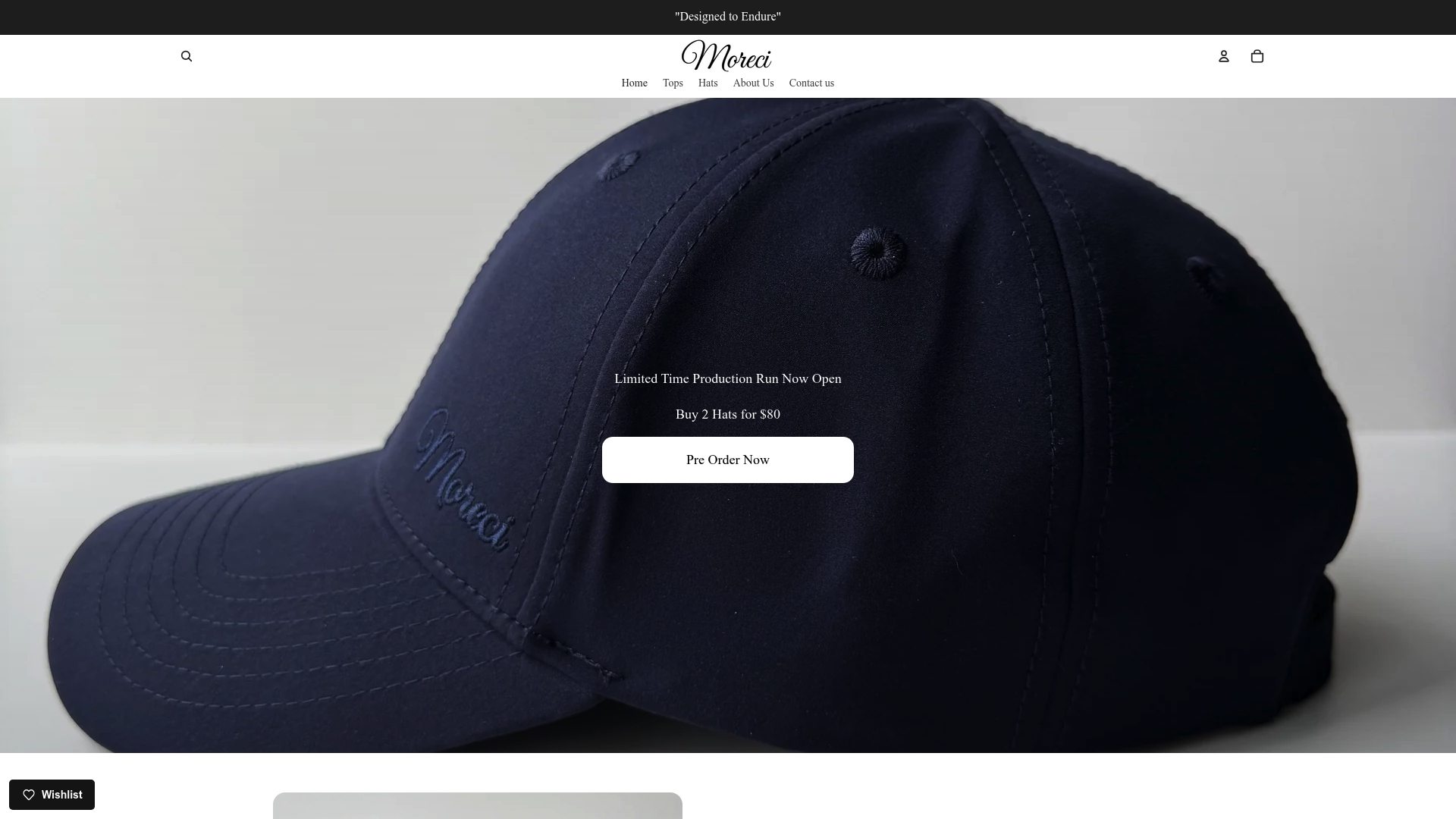
All three products carry published specs and a clear return policy. Browse the full line at Moreciandco and use the checklist above to verify every claim before checkout.
Sources
- Spot Real Quality Menswear | Geedup, CDG, Cole Buxton » NEWZ EASY
- How to determine the quality of clothing before purchasing — MioLook
- Premium Quality Cap: Construction Details That Signal Better Quality - JoinTop