


Athletic fit clothing is defined as garments engineered with extra room in the shoulders, chest, and thighs to support muscular builds and dynamic movement without restricting circulation or range of motion. The role of athletic fit clothing goes beyond aesthetics. It directly affects how you move, how you feel, and how hard you push during a workout. Research from 2026 confirms that well-fitted sportswear improves both physical output and psychological focus, making fit one of the most underrated variables in any training routine. Moreciandco builds on this principle by designing apparel that delivers real ergonomic value, not just a tailored look.
How does athletic fit clothing improve physical performance?
Athletic fit apparel improves performance by removing the physical barriers that slow you down. Good athletic wear does not directly boost your strength or speed, but it prevents the discomfort, friction, and heat buildup that chip away at your output. That distinction matters more than most men realize.
The ergonomic patterning in athletic fit garments is the key structural difference. Biomechanical engineering adds extra room in the shoulders, hips, and thighs, so the fabric moves with your body rather than against it. This prevents the seam stress and fabric strain that occur when a shirt is too tight across the back during a deadlift or a pull-up.
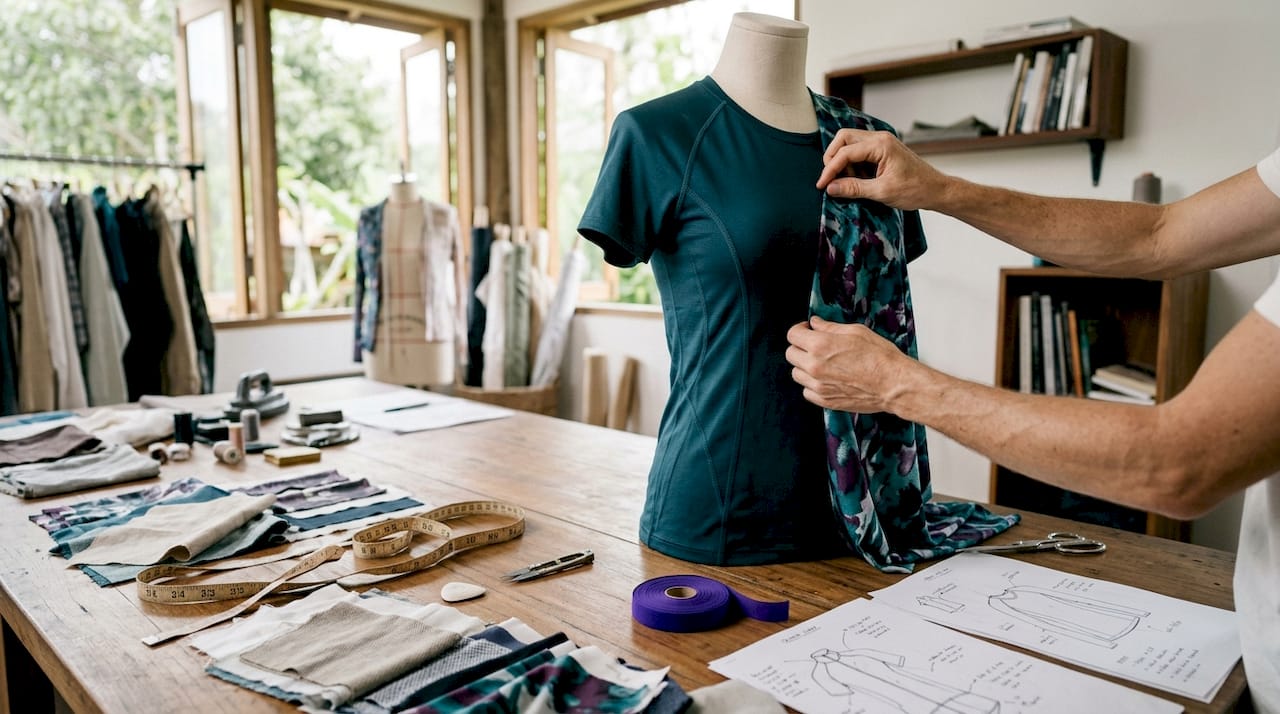
Compression-style athletic wear adds another layer of physiological benefit. Compression gear can reduce heart rate by up to 2.5% during short exercise bouts and improve power output by 2% in recovery phases. It also enhances blood lactate removal by 8% and reduces limb swelling after exercise. Those numbers are small individually, but they compound across a full training week.
Moisture-wicking fabrics work alongside the fit to regulate body temperature. When sweat stays trapped against your skin, your core temperature rises faster and fatigue sets in sooner. Athletic fit garments with technical fabrics pull moisture away from the skin, keeping you cooler and more focused through longer sessions.
Fit also plays a direct role in injury prevention. Excessively tight clothing restricts flexibility and blood flow, while clothing that is too loose eliminates support and moisture management. The right athletic fit sits snugly against the body without pinching, binding, or riding up during movement.
- Ergonomic patterning supports full range of motion in compound lifts and dynamic movements
- Compression benefits include improved circulation, reduced muscle vibration, and faster lactate clearance
- Moisture management keeps core temperature stable and reduces mid-workout fatigue
- Proper snug fit prevents chafing, fabric bunching, and movement-related skin irritation
- Seam placement in quality athletic garments avoids high-friction zones like underarms and inner thighs
Pro Tip: Before buying any athletic top, do a full overhead press motion in the fitting room. If the shirt pulls across your back or lifts at the hem, the fit is wrong for training.
What psychological benefits does wearing athletic fit clothing offer?
Clothing affects how you think, not just how you move. The concept of enclothed cognition describes how wearing specific garments activates the mental associations tied to them. When you put on athletic fit clothing that looks and feels right, your brain shifts into a performance-oriented state before you even pick up a weight.
Well-fitting sportswear significantly increases self-confidence and reduces physical distractions compared to loose, one-size-fits-all apparel. A 2026 study found that properly fitted garments boosted self-confidence and focus during physical activities among university students. Confidence in how you look directly reduces the mental noise that pulls attention away from your training.
Clothing acts as an environmental cue that impacts achievement-oriented motivation and focus. Sportswear fit influences psychological readiness by enhancing task commitment through factors such as thermal comfort and personal expectations. When the fit is right, the gear disappears and the workout takes over.
Enclothed cognition improves focus and intentionality during training by reducing the need for mid-set adjustment. Every time you tug a shirt down or pull a waistband up, you break concentration. Athletic fit clothing eliminates those micro-interruptions, keeping you locked in on form and effort.
Color and visual design also play a role. Darker, structured athletic fits tend to project confidence and seriousness in gym settings, while brighter colors can elevate mood during cardio or outdoor training. The psychological edge is real, and it starts with choosing gear that fits your body and your mindset.
How does athletic fit compare to slim fit and regular fit?
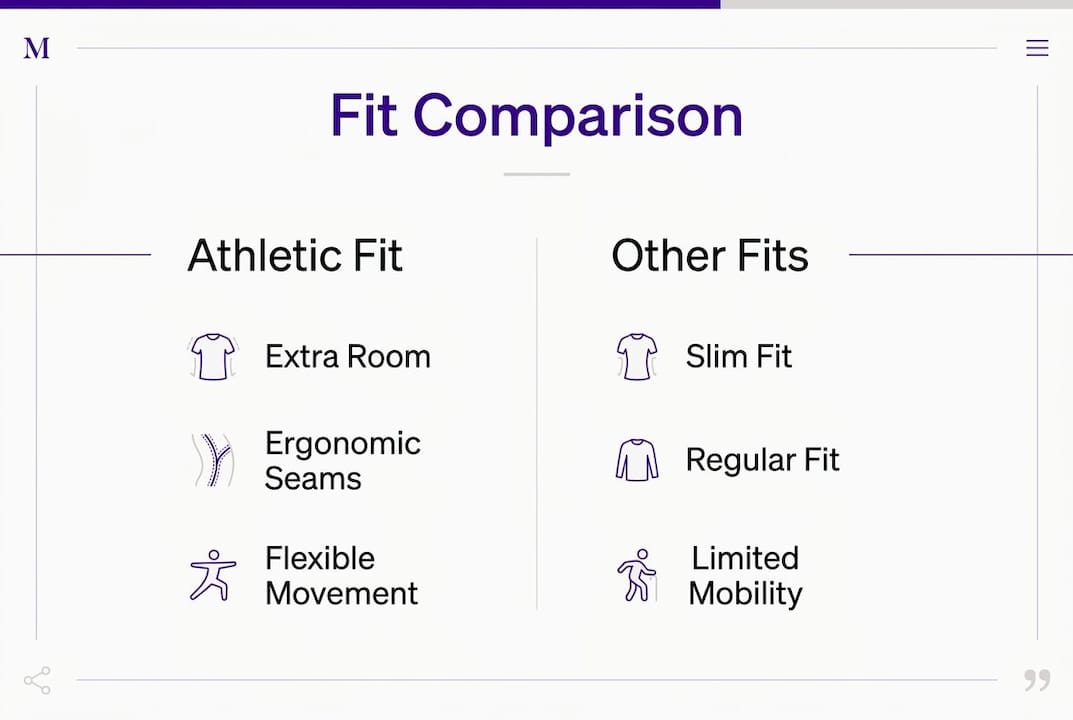
Athletic fit occupies a specific position between slim fit and regular fit, and understanding that position helps you make smarter buying decisions. Athletic fit differs from slim fit by accommodating muscular physiques with additional space in the shoulders and chest, avoiding the discomfort and mobility restrictions that slim cuts create for active men.
Slim fit garments are cut close to the body throughout. For men with lean frames, this works well. For men with developed shoulders, a broad chest, or muscular thighs, slim fit pulls across the back and binds at the arms. The fabric compensates through stretch alone, which accelerates wear and seam failure. Athletic fit garments are pattern-engineered to support biomechanical movement, increasing durability versus slim fits that rely on fabric stretch alone.
Regular fit solves the tightness problem but creates a different one. The extra fabric in a regular fit shirt hangs loosely, which eliminates the support and moisture management benefits of a closer cut. You end up with a shirt that flaps during a run or bunches under a barbell. Neither outcome helps your training.
The athletic shirt fit guide from Moreciandco breaks down exactly how these cuts differ in practice, with specific guidance on shoulder seam placement and chest allowance for active men.
| Fit type | Shoulder room | Chest allowance | Movement support | Best for |
|---|---|---|---|---|
| Athletic fit | Extra room at seam | Generous but structured | High, pattern-engineered | Muscular or active builds |
| Slim fit | Narrow, close to shoulder | Minimal | Low, relies on stretch | Lean frames, casual wear |
| Regular fit | Wide, relaxed | Loose | Low, too much fabric | Casual or relaxed settings |
Athletic fit is the only cut that balances a clean visual profile with functional freedom of movement. For men who train regularly, it is the default choice. For a deeper look at how slim and regular cuts compare in everyday wear, the slim vs regular fit guide from Moreciandco covers the tradeoffs clearly.
How to choose the right athletic fit clothing for your workouts
Choosing athletic fit apparel starts with knowing your body and your training style. A man who lifts heavy five days a week has different needs than someone who mixes gym sessions with weekend trail runs. The right gear serves both your body shape and your specific movement patterns.
- Assess your body proportions. Measure your chest, shoulders, and waist. If your chest and shoulders are significantly wider than your waist, athletic fit is almost certainly your best option. Standard sizing charts rarely account for this ratio.
- Match the fabric to your activity. High-intensity lifting calls for moisture-wicking, four-way stretch fabrics. Lower-intensity activities like yoga or walking can use softer, less technical materials. Bamboo-cotton blends offer a middle ground with natural breathability and a clean drape.
- Check the fit in motion, not just standing still. Put the garment through the movements you actually do. Squat, reach overhead, and rotate your torso. The shirt should stay tucked, the seams should not pull, and the fabric should not bunch at the armpits.
- Evaluate the waistband and hem length. For training tops, the hem should stay in place during dynamic movements. For bottoms, the waistband should sit flat without rolling or digging in during squats or lunges.
- Follow care instructions to extend garment life. Technical athletic fabrics degrade faster when washed in hot water or dried on high heat. Cold wash and air dry preserves elasticity and moisture-wicking properties significantly longer.
Pro Tip: When trying on athletic fit tops, bring your training shoes. The extra heel height changes your posture and gives you a more accurate read on how the shirt sits across your shoulders and back.
The performance workout gear guide from Moreciandco goes deeper on fabric selection and fit evaluation for specific training styles.
Key Takeaways
Athletic fit clothing improves performance, confidence, and comfort by combining ergonomic patterning, technical fabrics, and a fit that supports muscular builds without restricting movement.
| Point | Details |
|---|---|
| Fit removes barriers | Athletic fit prevents friction, heat buildup, and distraction rather than directly boosting strength. |
| Compression aids recovery | Compression garments reduce heart rate by up to 2.5% and improve blood lactate removal by 8%. |
| Enclothed cognition is real | Well-fitted sportswear boosts self-confidence and reduces mid-workout distraction, improving focus. |
| Athletic fit outperforms slim and regular | Pattern engineering gives muscular men full range of motion without fabric strain or excess looseness. |
| Fabric and care matter | Match fabric to your activity type and follow cold-wash care to preserve technical performance properties. |
What I’ve learned from training in the wrong clothes for years
I spent the better part of three years lifting in whatever cotton t-shirts I had lying around. They were comfortable enough off the gym floor, but during a heavy set they would bunch under the bar, soak through in the first twenty minutes, and ride up constantly. I thought it was a minor annoyance. It was actually costing me focus every single session.
The shift happened when I started wearing properly fitted athletic apparel with structured shoulder seams and moisture-wicking fabric. The difference was not dramatic in the first workout. It was cumulative. I stopped thinking about my shirt mid-set. I stopped adjusting my waistband between exercises. The mental bandwidth I recovered was small per rep, but it added up to noticeably better sessions over weeks.
The part most men miss is that athletic fit is not about looking good at the gym, though that is a real benefit. It is about removing the low-level friction that erodes your focus and your effort. When the gear fits your body and moves with you, training feels cleaner. You get more out of the same hour.
Moreciandco’s approach to this, building quality into every cut and fabric choice, is exactly what I think the market has been missing. You should not have to choose between a shirt that looks sharp and one that performs. The right athletic fit delivers both.
— Giuseppe
Moreciandco’s athletic fit collection for men who train seriously
Moreciandco builds athletic fit clothing for men who expect their gear to work as hard as they do. The Complesso Tee is made from a luxury bamboo-cotton blend in Portugal, combining natural breathability with a structured athletic cut that sits cleanly on muscular builds. It moves with you during training and looks sharp enough to wear straight from the gym.
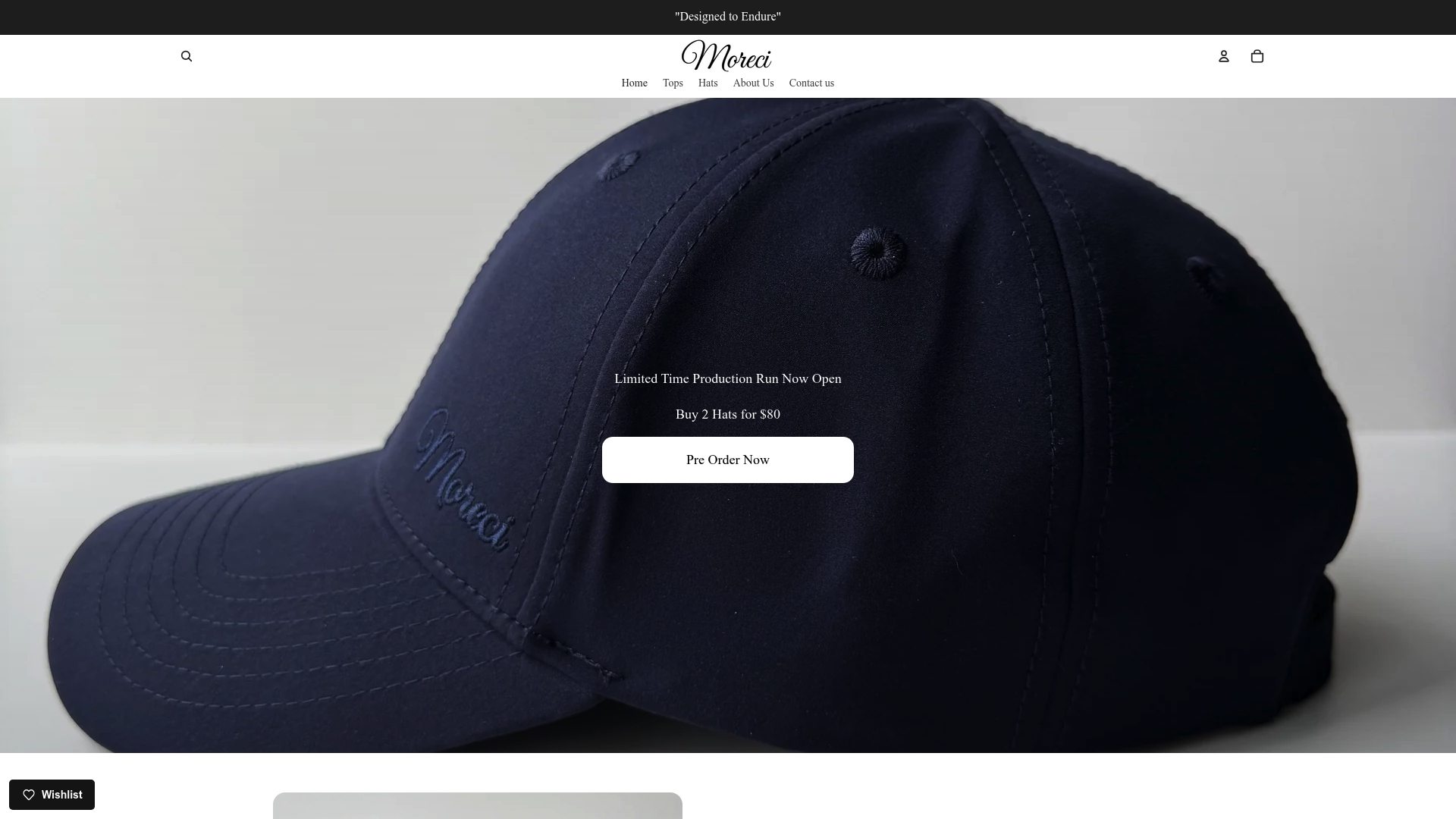
The full Complesso Collection brings the same philosophy to every piece: ergonomic patterning, premium fabrics, and a fit that respects the proportions of men who actually train. Moreciandco’s commitment is simple. You pay for quality, and you get it, in the fit, the fabric, and the way the garment holds up over time.
FAQ
What is athletic fit clothing?
Athletic fit clothing is a garment cut with extra room in the shoulders, chest, and thighs to accommodate muscular builds while maintaining a clean, structured silhouette. It differs from slim fit by using pattern engineering rather than fabric stretch to support movement.
Does athletic fit clothing actually improve workout performance?
Athletic fit clothing improves performance by eliminating friction, managing moisture, and reducing mid-workout distractions. Compression-style athletic garments can also reduce heart rate by up to 2.5% and improve blood lactate removal by 8% during exercise.
How should athletic fit clothing feel when worn?
Athletic fit clothing should feel snug but not restrictive. It should allow full range of motion in all directions without pulling at the seams, bunching at the armpits, or riding up during dynamic movements.
What is the difference between athletic fit and slim fit for muscular men?
Slim fit relies on fabric stretch to accommodate the body, which restricts movement and accelerates seam wear for muscular builds. Athletic fit uses ergonomic patterning to add space in key areas, giving muscular men both comfort and full mobility.
How does clothing affect focus during a workout?
The concept of enclothed cognition shows that properly fitted athletic clothing reduces mid-workout adjustments and distractions, keeping your focus on form and effort. Research confirms that well-fitting sportswear boosts self-confidence and task commitment during physical activity.